
Island Travel Escapes contains affiliate links and is a member of the Amazon Services LLC Associates Program.
If you make a purchase using one of these links, I may receive compensation at no extra cost to you.
The Ultimate Guide to Planning a Trip to Hawaii (2026 Edition)
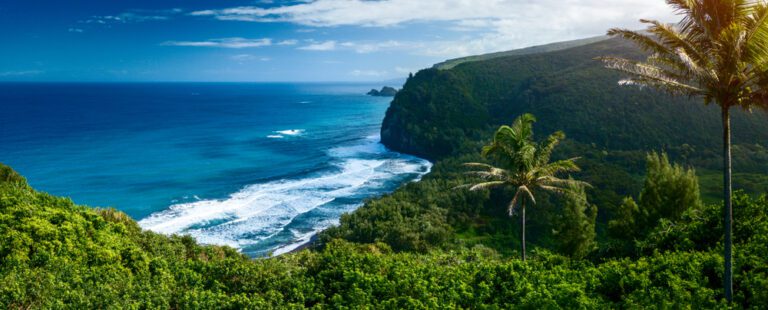
Exceptional Natural Beauty: Beaches, Rainforests, and Volcanic Wonders
You’ll find over 750 miles of coastline across the Hawaiian Islands, featuring everything from white sand beaches to unique black sand beaches formed by volcanic activity. The contrast is striking—one day you can relax on the golden shores of Waikiki, and the next you can explore the dramatic black sand of Punalu’u Beach on the Big Island.
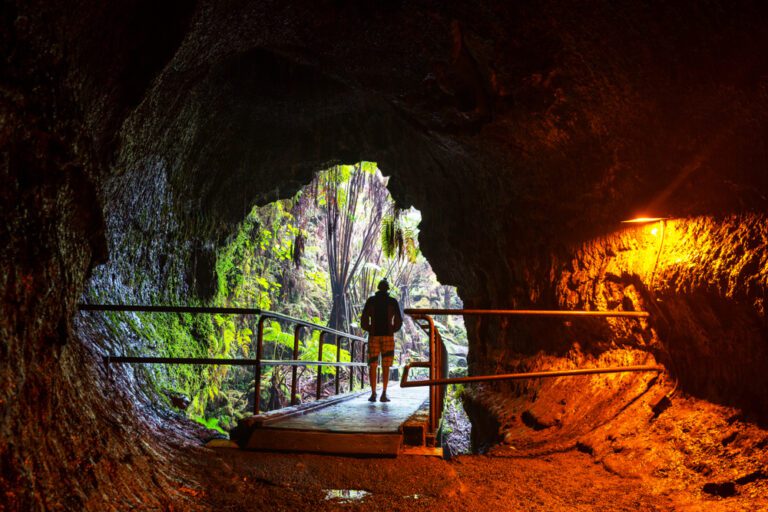
The islands’ volcanic origins create landscapes you won’t encounter at typical vacation destinations. Active volcanoes on the Big Island allow you to witness ongoing geological processes, while dormant craters like Haleakalā on Maui offer sunrise experiences above the clouds. Beyond the coastline, lush rainforests blanket the windward sides of the islands, with waterfalls cascading through valleys carved over millions of years.
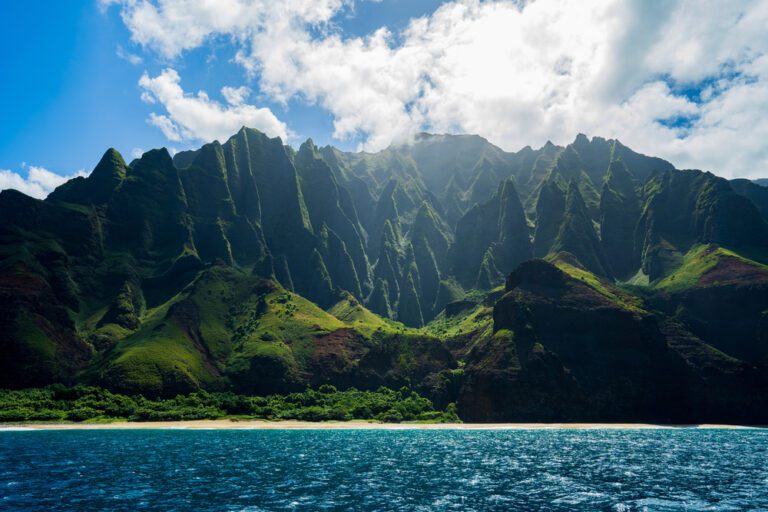
Each island presents distinct geological features. Kauai’s Na Pali Coast displays sea cliffs rising 4,000 feet, while Maui’s Road to Hana winds through bamboo forests and past countless waterfalls.
Year-Round Tropical Climate and Trade Winds
Hawaii maintains consistent temperatures between 75-85°F throughout the year, eliminating the need to plan your Hawaii vacation around specific seasons. The trade winds blow from the northeast for most of the year, providing natural cooling that makes even summer months comfortable without excessive humidity.
These trade winds also create microclimates across each island. Windward (northeastern) sides receive more rainfall, supporting the lush rainforests, while leeward (southwestern) coasts stay drier and sunnier. This means you can often find pleasant beach weather even when other parts of an island experience passing showers.
The Pacific Ocean temperatures remain between 74-80°F year-round, making water activities accessible any time you visit. Unlike many tropical destinations that face hurricane seasons or oppressive heat, Hawaii’s position in the Pacific and persistent trade winds create remarkably stable conditions.
Aloha Spirit and Hawaiian Culture
 The aloha spirit represents more than a greeting—it reflects a genuine approach to hospitality rooted in Native Hawaiian values of respect, compassion, and connection. This cultural foundation, originating from Polynesia over 1,500 years ago, remains evident in daily interactions throughout the islands.
You’ll experience Hawaiian culture through traditional practices still actively maintained. Hula performances tell stories through dance, while Hawaiian language revitalization efforts have brought the native tongue back to schools and communities. Local communities maintain cultural practices like lei-making, traditional navigation, and poi production.
Hawaii tourism has increasingly emphasized cultural preservation, with many resorts and attractions now offering authentic cultural experiences rather than superficial entertainment. This shift allows you to engage meaningfully with the islands’ heritage while supporting Native Hawaiian practitioners and educators.
Diverse Outdoor Adventures and Marine Life
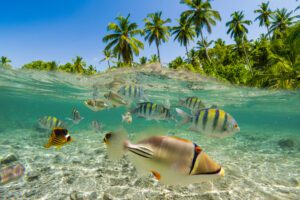
Hawaii’s isolation in the Pacific Ocean created unique ecosystems both on land and underwater. You can snorkel among coral reefs teeming with tropical fish found nowhere else, with over 25% of marine species in Hawaiian waters being endemic. Sea turtles frequent shallow bays, and if you’re fortunate, you might spot the critically endangered Hawaiian monk seal resting on pristine beaches.
The islands offer adventures beyond typical beach activities. You can surf legendary breaks on Oahu’s North Shore, hike through active volcanic zones, zipline over rainforest canopies, or dive with manta rays off the Kona coast. Winter months bring humpback whales to Hawaiian waters, offering spectacular viewing opportunities.
Each island provides different adventure profiles. Kauai excels in hiking and kayaking, Maui offers world-class windsurfing and road trips, the Big Island delivers volcanic exploration and night diving, while Oahu combines urban activities with outdoor pursuits.
Hawaii’s seasonal patterns affect visitor crowds, accommodation prices, and weather conditions differently throughout the year. Each season brings distinct advantages depending on your travel priorities and budget.
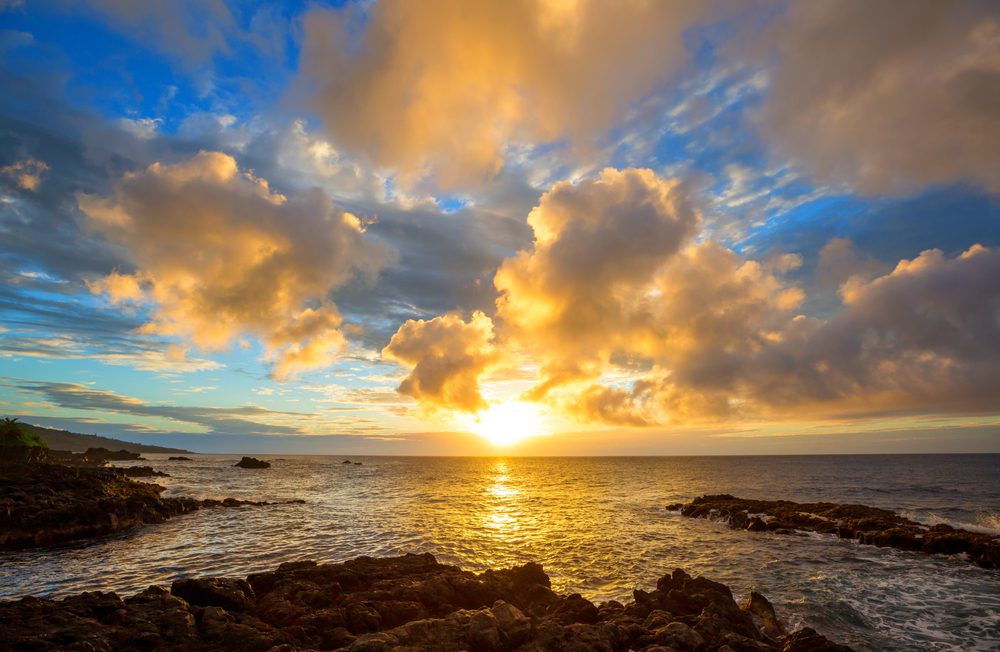
Spring in Hawaii
Spring spans from March through May and offers some of the most balanced travel conditions. April and May are particularly attractive months when winter crowds dissipate and hotel rates drop significantly from peak season pricing.
The weather during spring remains consistently pleasant with average temperatures ranging from 75-85°F. Rainfall decreases compared to winter months, though brief showers still occur occasionally, especially on windward coasts.
You’ll find fewer tourists during this period, making popular attractions and beaches more accessible. The ocean stays calm enough for snorkeling and swimming, while humpback whales remain visible through early April before migrating north.
Spring break in March brings temporary visitor increases. Crowds thin considerably by mid-April, creating opportunities for better deals on accommodations and rental cars compared to winter and summer rates.
Summer Travel Period
Summer runs from June through August and represents Hawaii’s peak tourist season. Schools release for summer vacation, driving significant increases in family travel and making this the busiest time across all islands.
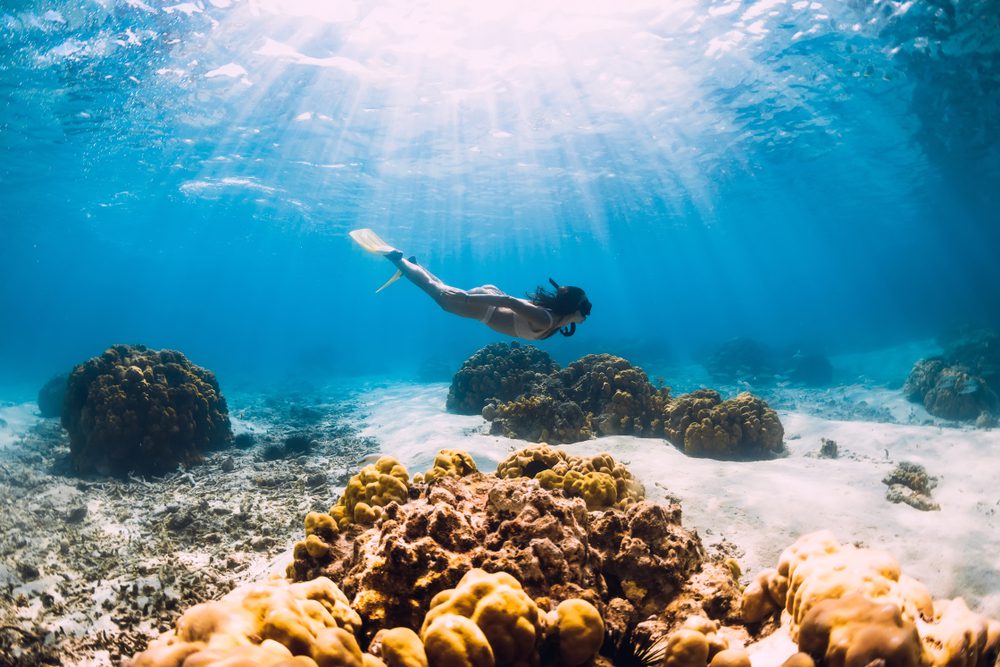
Weather conditions reach their most consistent during these months. You can expect sunny days with minimal rainfall and temperatures between 80-90°F.
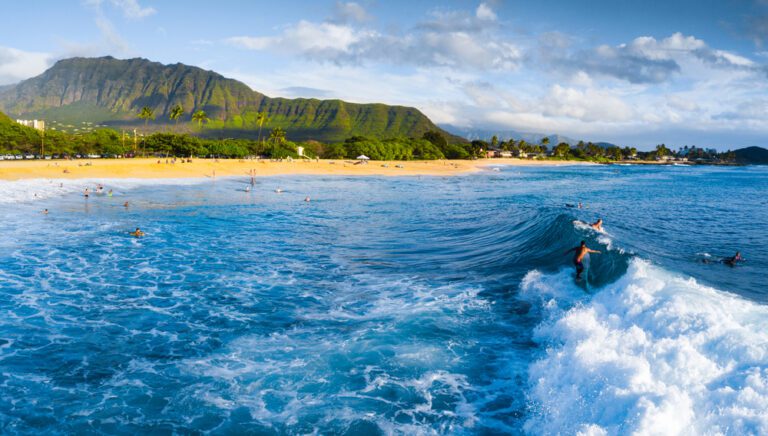
Ocean conditions are typically calm, ideal for water activities like surfing, diving, and paddleboarding. Accommodation prices rise to their highest levels outside of the winter holiday period.
You’ll need to book hotels and vacation rentals months in advance to secure preferred locations and reasonable rates. The extended daylight hours provide more time for beach activities and sightseeing.
Popular beaches, restaurants, and attractions experience heavy crowds throughout the day.
Hurricane and Rainy Seasons
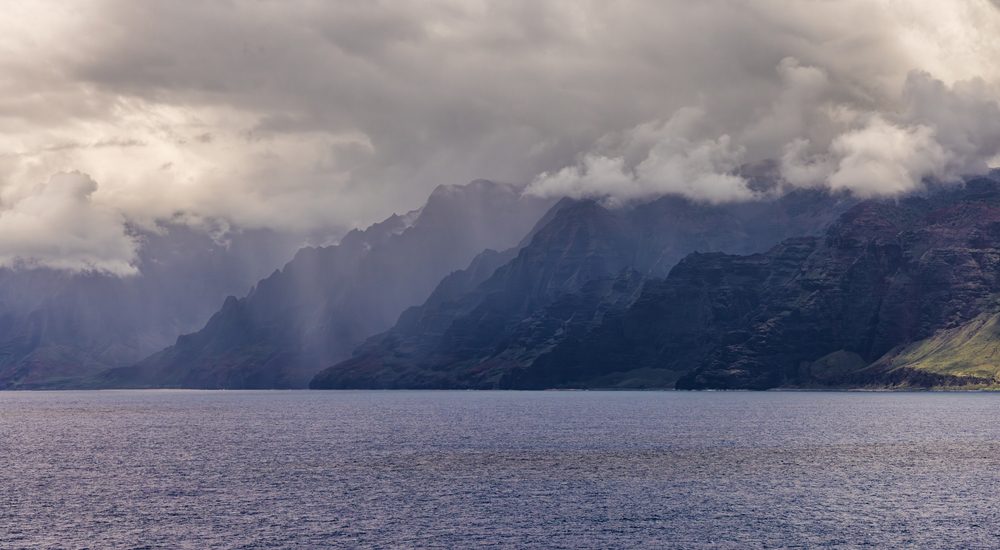
Hurricane season runs from June through November, though direct hits are rare. Most tropical storms weaken before reaching the islands or pass far offshore.
You’ll find that hurricanes seldom disrupt travel plans, but monitoring forecasts during these months is wise. The rainy season spans November through March, bringing more frequent showers to northern and windward coasts.
Southern and leeward shores typically stay drier during these months. Rain usually comes in brief bursts rather than all-day downpours, so you can still enjoy outdoor activities.
Winter months bring larger surf to north-facing shores, creating excellent conditions for experienced surfers but making swimming dangerous for casual beachgoers. South shores remain calmer during winter, offering safer swimming options.
Holiday and Festival Periods
Major U.S. holidays transform Hawaii into a premium destination with peak pricing. Christmas through New Year’s brings the highest visitor numbers and room rates of the year.
Spring break in March and April also sees significant increases in families and college travelers. Summer vacation from mid-June through August creates sustained high demand.
You’ll encounter more families during this period as school schedules drive travel timing. Cultural festivals like the Merrie Monarch Festival in April and Aloha Festivals in September offer authentic Hawaiian experiences but require advance planning.
These events fill hotels quickly in host communities.
Crowds and Pricing Trends
 April, May, September, and October offer the best balance of favorable weather, lower rates, and manageable crowds. You’ll find hotel prices 20-30% lower than peak season rates during these shoulder months.
Winter months (December-March) bring the most visitors despite occasional rain. Summer (June-August) also sees high visitor counts but with more predictable weather patterns.
You can secure better deals by booking accommodations and flights well in advance for peak periods or waiting for last-minute offers during slower months. Weekday travel typically costs less than weekend arrivals across all seasons.
Choosing the Ideal Month for Your Hawaii Vacation
Your ideal travel month depends on what matters most to you during your trip. Weather, costs, and crowd levels shift throughout the year across the Hawaiian Islands.
April, May, September, and October offer the best combination of pleasant weather, lower rates, and fewer tourists. These shoulder season months let you experience Hawaii without peak season pricing or crowds.
Summer months (June through August) bring the most visitors, especially families on school break. You’ll pay premium rates for accommodations and encounter busy beaches and attractions.
The weather stays consistently warm and dry during this period.
Winter (December through March) draws visitors seeking warm weather escapes and whale watching opportunities. Prices rise significantly during holidays, particularly around Christmas and New Year’s.
Rain is more common during these months, though temperatures remain comfortable.
September stands out as a particularly strong choice for first-time visitors. You’ll find good weather conditions, reduced rates compared to summer, and manageable crowd levels at major attractions.
If budget matters most, consider visiting between:
- Mid-April through May
- September through mid-December (excluding Thanksgiving week)
- January through mid-March (excluding major holidays)
For whale watching enthusiasts, plan your trip between December and April when humpback whales migrate to Hawaiian waters. Peak viewing occurs in February and March.
Consider booking accommodations and flights well in advance regardless of when you visit. Hawaii remains popular year-round.
Getting to Hawaii is easier than you might think, with flights available from 26 cities across the mainland United States. You can reach Hawaii’s main islands through major airports in Honolulu, Maui, and Kona, with both nonstop and connecting flight options from the East Coast, West Coast, and many cities in between. Airlines like Hawaiian, Alaska, Delta, American, Southwest, and United all serve Hawaii routes.
Finding affordable flights to Hawaii requires some planning and the right strategies. The cost of your ticket can vary widely based on when you book, which airport you choose, and how flexible you are with your travel dates.
This guide will walk you through everything you need to know about flying to Hawaii. You’ll learn about the different airports and routes available, the best times to book your flight, and which tools can help you track prices and find deals.
Overview of Getting to Hawaii
You can reach Hawaii by flying into one of its four main airports across different islands. Most travelers fly nonstop from 26 mainland U.S. cities, though connecting flights offer more departure options and sometimes lower prices.
Hawaii’s Major Islands and Airport Gateways
Hawaii has four primary airports that serve commercial flights from the mainland. Daniel K. Inouye International Airport (HNL) in Honolulu on Oahu is the largest and busiest gateway. Kahului Airport (OGG) on Maui serves the second most visitors.
Kona International Airport (KOA) on the Big Island’s west side provides access to that island’s resorts and volcanic attractions. Lihue Airport (LIH) on Kauai is the smallest of the major airports but offers direct access to the Garden Isle.
Each airport connects to major cities and handles both domestic and some international flights. HNL serves as the main hub for connections between islands and offers the most flight options from the mainland.
Direct vs. Connecting Flights
Nonstop flights get you to Hawaii about 2 hours faster than connecting flights. You avoid the hassle of changing planes and reduce the risk of delays or lost baggage.
Connecting flights often cost less than nonstop options. You might route through West Coast cities like Los Angeles, San Francisco, or Seattle before continuing to Hawaii.
The trade-off is simple: nonstop flights save time and stress, while connecting flights can save money. Your choice depends on your budget and how much you value convenience.
Popular Departure Cities in the U.S.
You can fly nonstop to Hawaii from 26 cities across the continental United States. West Coast cities offer the most frequent service and shortest flight times.
Major departure cities include Los Angeles, San Francisco, Seattle, San Diego, and Portland. These West Coast hubs typically have multiple daily flights and the most competitive prices.
East Coast cities like New York and Boston also offer nonstop service, though flights are longer and sometimes more expensive. Mid-continent cities such as Denver, Phoenix, and Dallas provide additional nonstop options with moderate flight times.
Major Airports and Flight Routes
Hawaii has several major airports that receive flights from the mainland United States. Honolulu International Airport handles the most traffic, but Maui and the Big Island also offer many direct flight options from major US cities.
Honolulu International Airport (HNL)
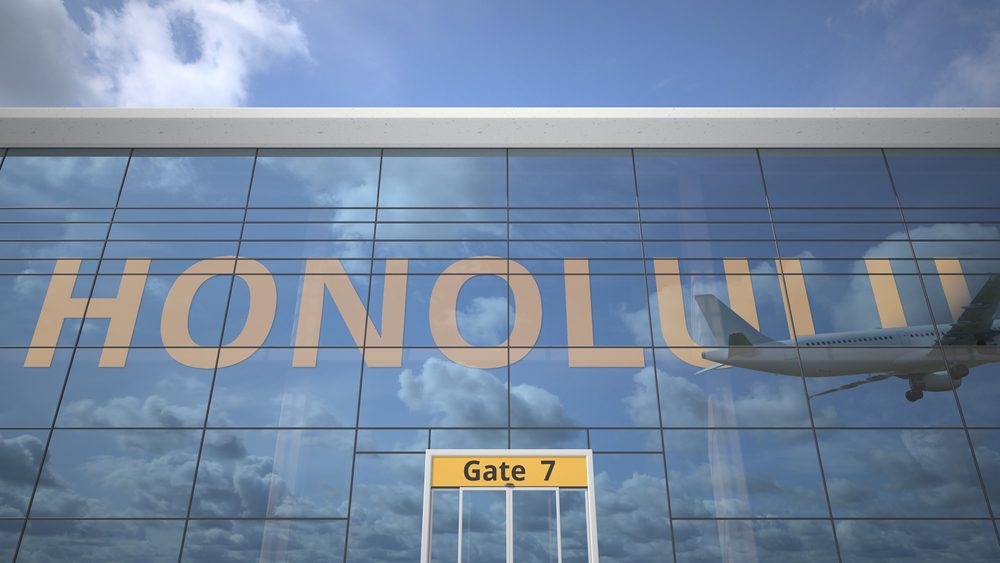
Honolulu International Airport is the largest and busiest airport in Hawaii. It sits on the southern coast of Oahu and serves as the main hub for flights from the mainland.
You can find nonstop flights to Honolulu from about 26 cities across the continental United States. Major carriers like Alaska Airlines, American Airlines, Delta, Hawaiian Airlines, Southwest, and United all operate regular routes to HNL.
The airport handles over 16,000 flights per month from dozens of airlines. This high traffic volume gives you plenty of scheduling options when planning your trip.
Most visitors to Hawaii will pass through Honolulu even if it’s not their final destination. The airport connects well to other Hawaiian islands through frequent interisland flights.
Kahului Airport in Maui (OGG)
Kahului Airport is the second-largest airport in Hawaii and the main gateway to Maui. Many mainland cities offer direct flights to OGG, which can save you time compared to connecting through Honolulu.
You’ll find nonstop service from major West Coast cities like Los Angeles, San Francisco, and Seattle. Several airlines also run direct flights from cities further east, though these routes may operate seasonally or only on certain days of the week.
The airport is centrally located on Maui, making it easy to reach popular resort areas. Direct flights to Maui often cost more than flights to Honolulu, but they eliminate the need for an additional interisland connection.
Ellison Onizuka Kona International Airport (KOA)
Kona International Airport serves the western side of Hawaii’s Big Island. The airport receives direct flights from several mainland cities, primarily on the West Coast.
Airlines operate nonstop routes from cities like Los Angeles, San Francisco, Portland, and Seattle to Kona. Some carriers also offer seasonal direct service from other mainland airports.
Flying directly into Kona works well if you plan to stay on the Big Island’s west side. The airport is smaller than Honolulu or Kahului, which can mean faster security and baggage claim processes.
Other Hawaii Air Terminals and Interisland Flights
Hilo International Airport (ITO) on the Big Island’s east side receives some direct mainland flights but fewer than Kona. Lihue Airport (LIH) on Kauai also offers limited nonstop service from select mainland cities.
Main interisland carriers:
- Hawaiian Airlines
- Southwest Airlines
- Mokulele Airlines (smaller planes to remote airports)
Interisland flights typically take 30 to 50 minutes between major islands. You can fly between islands multiple times per day with frequent departures from early morning through evening.
If your mainland flight arrives in Honolulu but your final destination is another island, you’ll need to collect your bags and recheck them for your interisland connection. Southwest Airlines operates flights between all major Hawaiian islands, which can be booked using points or cash fares.
How to Find Cheap Flights to Hawaii
Flight prices to Hawaii change based on when you travel and when you book. You can save 20-40% by traveling during off-peak times and booking at the right moment.
Best Times of Year to Book Flights
The cheapest months to fly to Hawaii are late April through May and September through early December. These off-season periods fall outside the peak tourism season that runs from mid-December through mid-April.
You’ll find the highest prices during winter holidays and spring break. Summer months also see increased fares due to family vacations.
The weeks after Easter typically offer good deals as demand drops. Late fall provides another opportunity for lower fares before the holiday rush begins.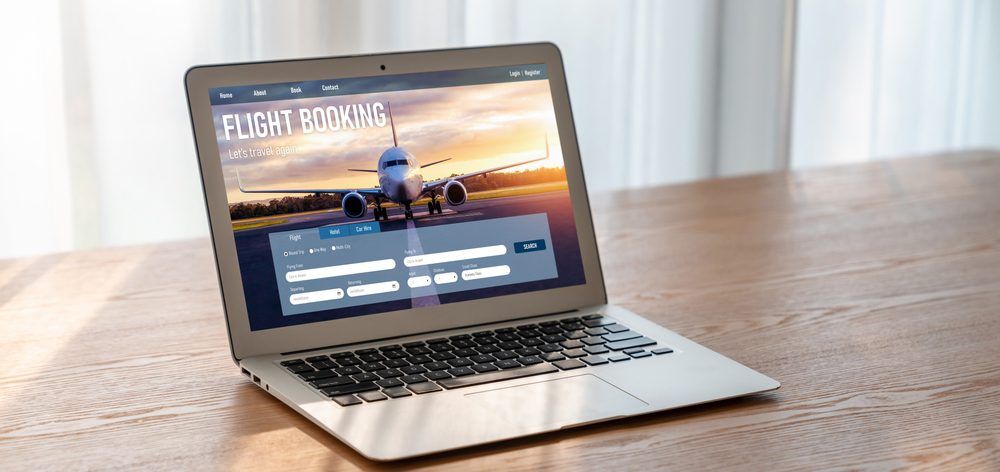
How Far in Advance to Purchase Tickets
Book your Hawaii flights 2-3 months in advance for the best prices. Airlines typically release their lowest fares during this window.
Booking too early, like 6-8 months out, often means paying higher prices. Airlines haven’t adjusted their pricing yet based on demand.
Last-minute bookings usually cost more, though occasional deals appear within 3 weeks of departure. These deals are unpredictable and risky if you have fixed travel dates.
Monitor prices once you know your travel dates. Set up price alerts through Google Flights, Kayak, or airline websites to track fare changes.
Seasonal Fare Trends
Hawaii flight prices follow clear seasonal patterns. Peak season fares from mid-December through mid-April can cost significantly more than off-season rates.
Price ranges by season:
- Peak winter: Highest fares
- Spring (post-Easter): 20-30% lower
- Summer: Moderate to high
- Fall: 20-40% lower
Shoulder seasons in spring and fall offer the best value. You’ll get better weather than many mainland destinations while paying less for flights.
Midweek flights on Tuesday and Wednesday typically cost less than weekend departures. Early morning and red-eye flights also tend to have lower fares than midday options.
Tips for Saving on Hawaii Airfare
Airfare to Hawaii often represents the biggest expense of your trip, but strategic planning can cut costs significantly. By timing your travel wisely, using rewards programs, and exploring creative routing options, you can reduce what you pay for flights.
Choosing Off-Peak Travel Days
The day you fly makes a substantial difference in ticket prices. Mid-week flights, especially Tuesdays and Wednesdays, typically cost less than weekend departures.
Peak season in Hawaii runs from mid-December through mid-April, when prices jump considerably. Flying during shoulder seasons (April to mid-June and September to mid-December) usually offers lower fares and fewer crowds.
Avoiding major holidays and school vacation periods saves money. Spring break, summer vacation, Thanksgiving, and Christmas command premium prices.
Early morning and late evening flights often cost less than mid-day options. Red-eye flights can be particularly affordable if you don’t mind the schedule.
Booking Multi-City or Interisland Flights
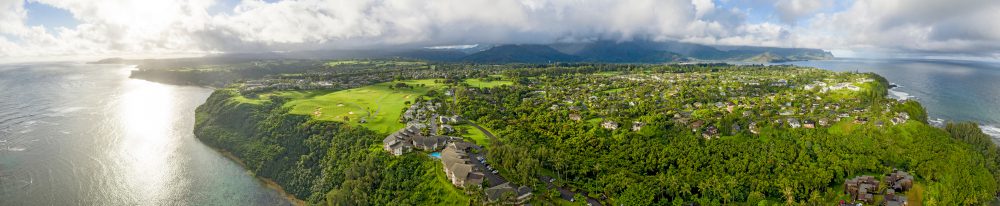
Planning visits to multiple Hawaiian islands requires thought about routing. Booking interisland flights separately from your mainland tickets sometimes costs more than bundling them together.
Look for multi-city search options when booking. Flying into one island and out of another (an open-jaw ticket) can save money compared to round-trip flights plus separate interisland tickets.
Hawaiian Airlines and Southwest dominate interisland routes. Compare both carriers since prices vary. Southwest includes two free checked bags, which adds value if you’re traveling with luggage.
Some mainland-to-Hawaii tickets include a free stopover on another island. Hawaiian Airlines occasionally offers these deals on certain routes, letting you visit two islands for the price of one mainland flight.
Additional Factors That Affect Airfare
The base ticket price is just one part of your total cost to Hawaii. Extra fees for baggage and seats, different fare classes, and special airline promotions can add hundreds of dollars or help you save significantly.
Baggage and Seat Selection Fees
Most airlines charge $30 to $35 for your first checked bag on Hawaii flights. Your second bag typically costs $40 to $45. These fees apply to each direction of your trip, so a round-trip with two checked bags can add $140 to $160 per person.
Carry-on bags are usually free, but basic economy fares on some airlines restrict you to one personal item only. Airlines charge $25 to $70 for advance seat selection, depending on the seat location. Exit row and extra legroom seats cost more than standard seats.
Some credit cards offer free checked bags as a benefit. Your baggage fees get waived when you pay for your ticket with certain airline or travel credit cards.
Basic Economy vs. Main Cabin Options
Basic economy tickets can be $50 to $150 cheaper than main cabin fares. You give up several benefits for that lower price. You cannot select your seat in advance, make changes to your ticket, or upgrade to a higher class.
Main cabin fares include a carry-on bag, advance seat selection, and the ability to change your flight for a fee. You also earn more frequent flyer miles with main cabin tickets. Basic economy passengers board last and sit in whatever seats remain.
Calculate the real cost difference after adding fees. A basic economy ticket plus paid seat selection might cost the same as a main cabin fare.
Impact of Airline Sales and Flash Deals
Airlines run sales to Hawaii several times per year. These promotions typically reduce fares by 20% to 40% off regular prices. Major sales happen around holidays like Black Friday and during slower travel periods in spring and fall.
Flash deals last 24 to 72 hours and require quick action. Sign up for airline email lists and fare alert services to catch these limited-time offers. Sales usually apply to specific travel dates, often several months in the future.
Southwest Airlines periodically offers companion passes and discounted Hawaii fares. Alaska Airlines and Hawaiian Airlines compete with matching sales when one carrier drops prices.
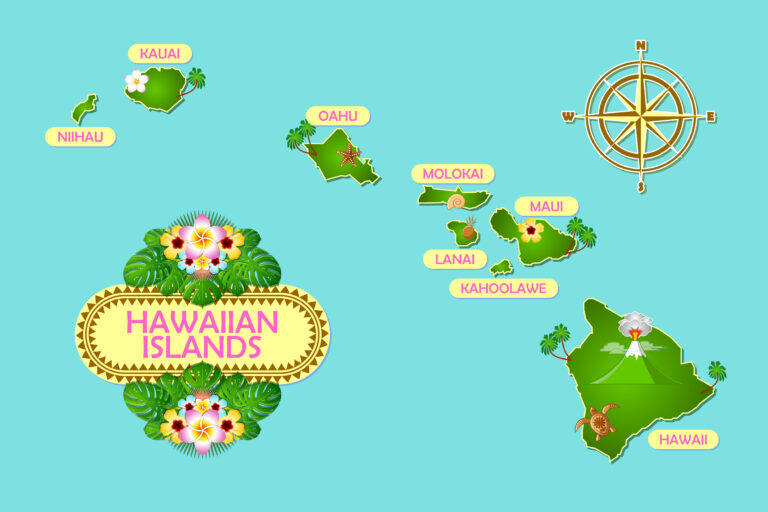
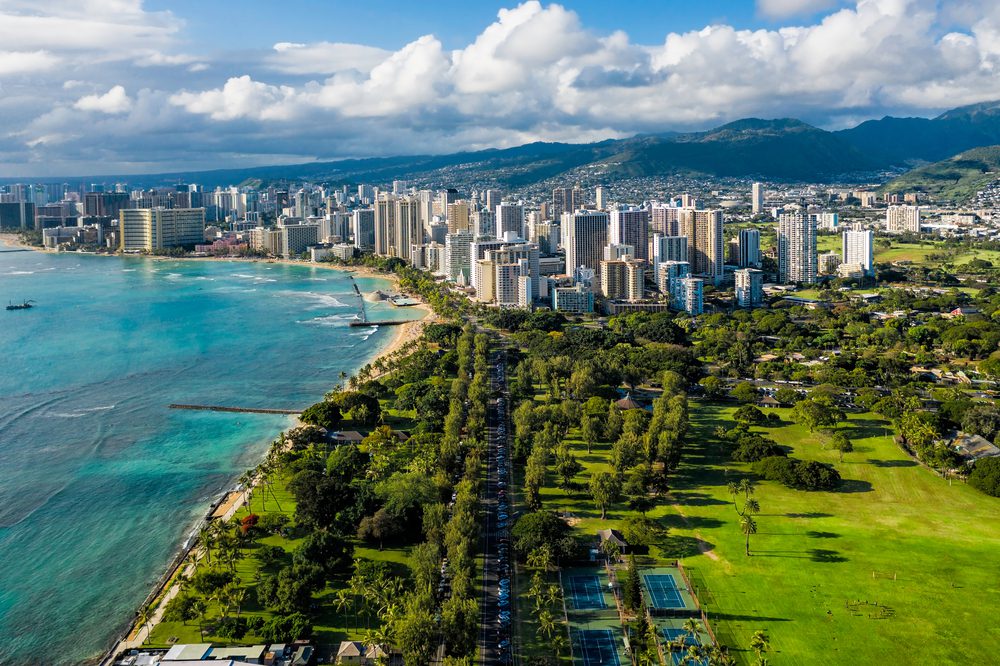
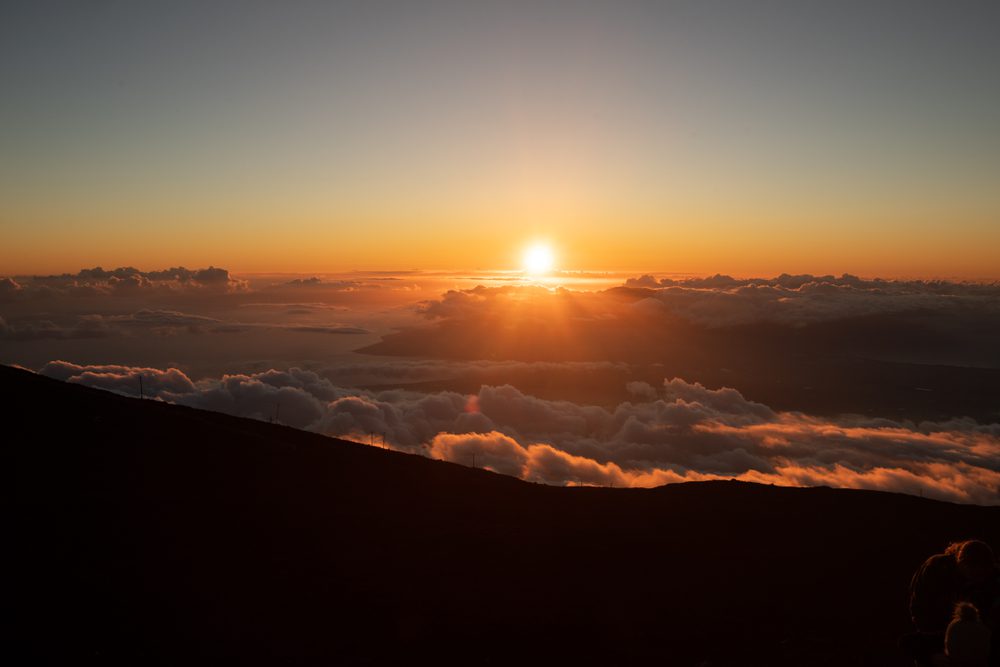
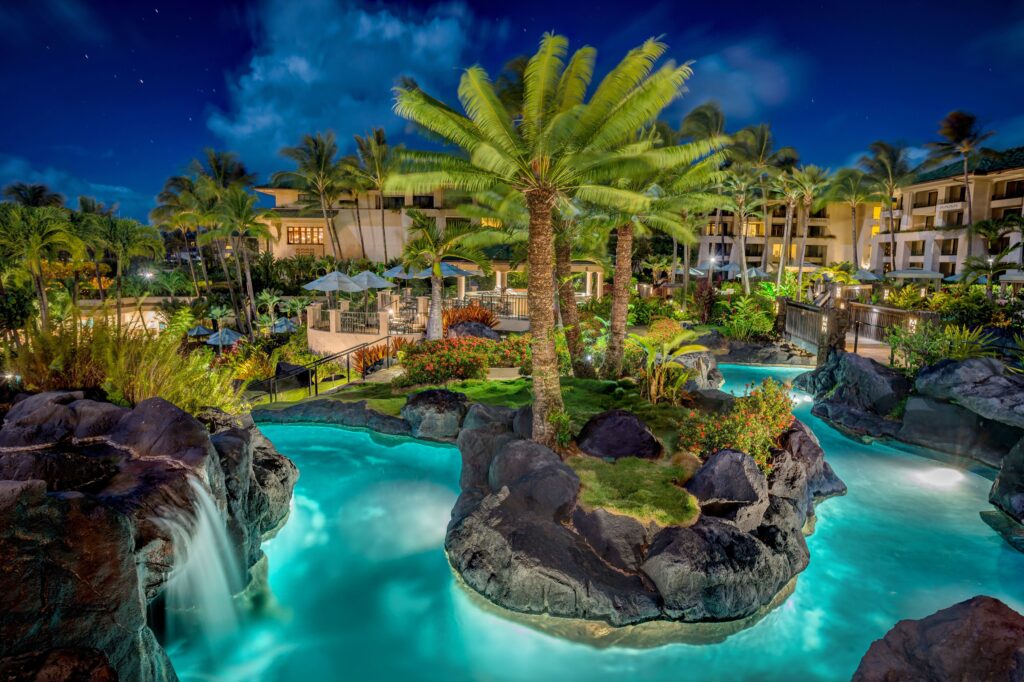
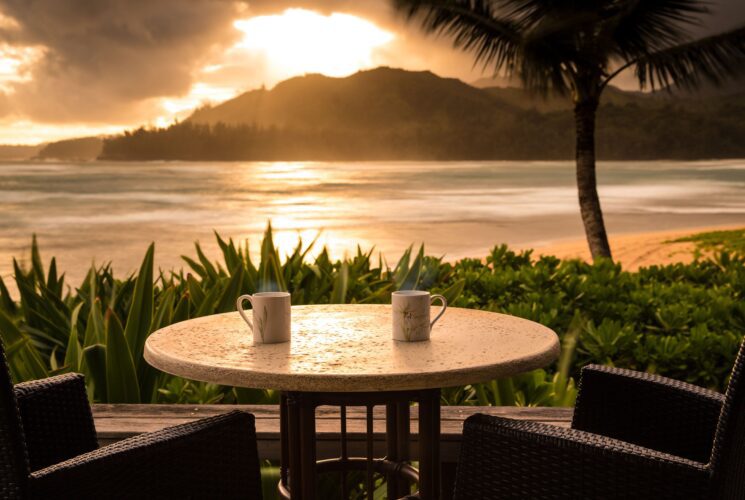
Beachfront Resorts: Luxury and Amenities
Beachfront resorts provide an all-in-one vacation experience on Hawaiian shores. You’ll find multiple restaurants, pools, spas, and organized activities without leaving the property.
These resorts typically include daily housekeeping, concierge services, and beach equipment like chairs and umbrellas. Many offer kids’ clubs, making them popular with families. Some operate as all-inclusive properties where meals and activities are bundled into one price.
The main advantage is convenience. Everything you need is on-site, from dining options to entertainment. You won’t need to rent a car if you prefer staying close to your hotel.
Expect to pay premium rates, especially at properties in Wailea, Poipu, or Ko Olina. Nightly rates often start at $400 and climb higher during peak seasons.
Boutique Hotels: Unique Stays and Experiences
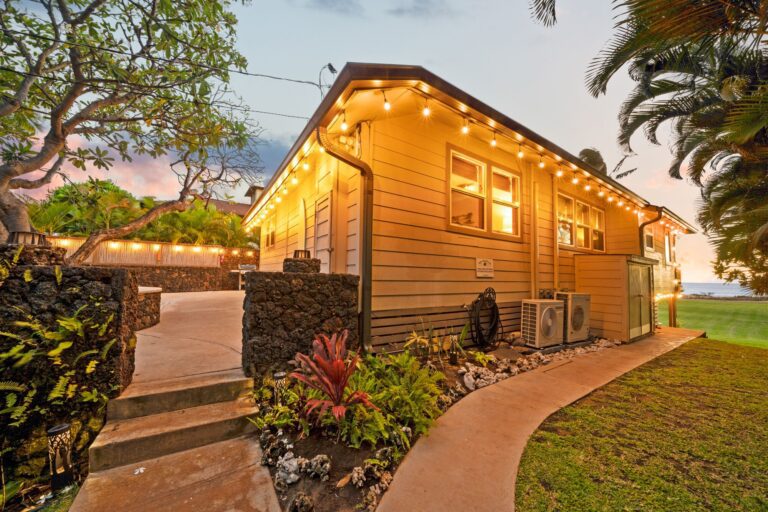
 Boutique hotels offer 10 to 100 rooms with distinctive design and personalized service. You’ll experience local character through island-inspired decor, curated art, and neighborhood connections.
These properties focus on creating memorable stays rather than offering extensive facilities. Staff often provide insider recommendations for nearby restaurants and hidden beaches. Many boutique hotels occupy historic buildings or feature architecture that reflects Hawaiian culture.
You’ll find fewer amenities than large resorts. Most have one restaurant or cafe rather than multiple dining venues. Pools tend to be smaller, and spas might offer limited services.
Boutique hotels work well if you plan to explore beyond your accommodation. They’re commonly located in town centers like Paia or Hanalei, putting you within walking distance of shops and local eateries. Prices range from $200 to $500 per night depending on location and season.
Vacation Rentals: Space and Flexibility
 Vacation rentals include condos, houses, and villas with full kitchens and separate living areas. You’ll have more space than a hotel room, often at a lower per-person cost for groups or families.
Having a kitchen lets you prepare meals and store groceries, which significantly reduces dining expenses. You’ll also get amenities like washers, dryers, and multiple bathrooms. Many rentals provide beach gear like coolers, snorkel sets, and boogie boards.
The trade-off is handling your own housekeeping and lacking on-site services. You won’t have a front desk, room service, or daily cleaning unless you arrange it separately.
Vacation rentals exist throughout the islands, from oceanfront condos in Kihei to upcountry homes in Volcano. Prices vary widely based on size, location, and view. A one-bedroom condo might cost $150 per night, while a beachfront house can exceed $1,000.
Comparing Options: Pros and Cons
Resorts give you the most services but cost more. You’ll pay $400-800 per night for convenience and extensive facilities. They suit travelers who want everything handled and families needing structured activities.
Boutique hotels balance character with comfort at $200-500 nightly. You get personal service and local flavor without resort-level amenities. They work best for couples and independent travelers who value unique experiences.
Vacation rentals offer the best value for groups at $150-400 per night for typical properties. You gain space and cooking facilities but lose daily services. They’re ideal when traveling with family or friends, or staying more than a few days.
Consider your priorities: service versus savings, amenities versus authenticity, convenience versus space. Your accommodation type shapes your Hawaiian experience as much as which island you choose.
Deciding on Location: Proximity to Attractions and Transportation
Pick a location based on what you plan to do most. If you want to spend your days at the beach, stay within walking distance of the shore. For island exploration, choose accommodations near major highways or rental car agencies.
Look at travel times to your must-see attractions. Staying 10 minutes from a beach you’ll visit daily makes more sense than booking a cheaper place 45 minutes away. Check the distance to restaurants, grocery stores, and activities you’ve added to your itinerary.
Transportation access matters, especially if you’re not renting a car. Some areas offer shuttle services, public buses, or easy rideshare pickup. Others require your own vehicle to get anywhere. Read recent guest reviews to learn about actual transportation options and parking availability.
Top Neighborhoods: Waikiki, Lahaina, Kona, and More
Waikiki sits on Oahu’s south shore with direct beach access, dining, and shopping within walking distance. You’ll find the most hotel options here, from budget-friendly chains to luxury resorts. The area stays busy year-round with tourists and offers easy access to Honolulu’s attractions.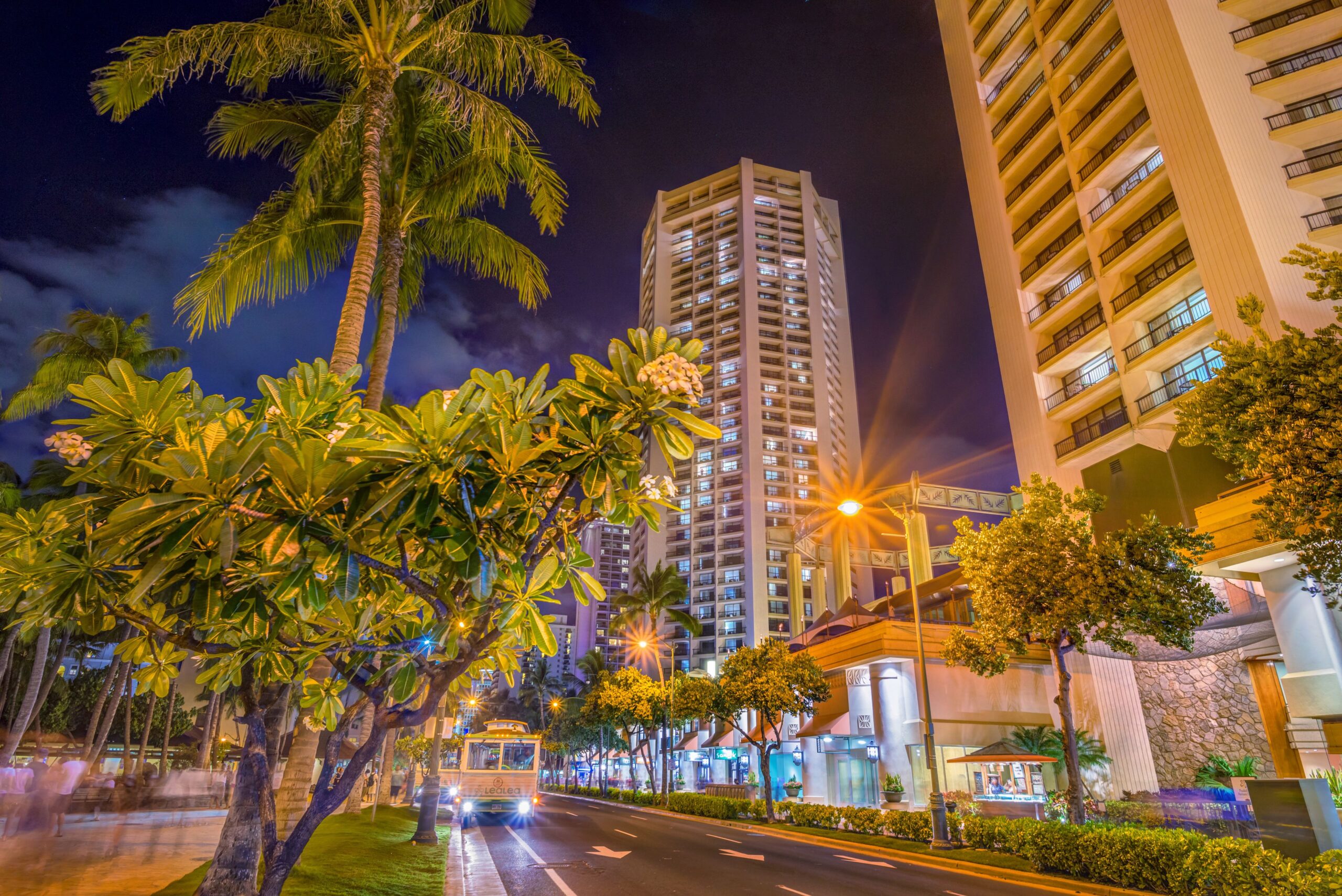
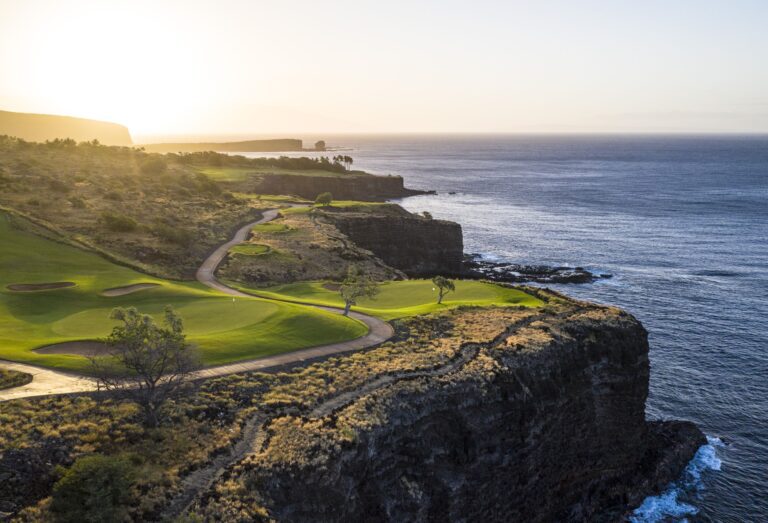
Ka’anapali on Maui’s west shore, is known for its beautiful beaches, luxury resorts, and vibrant dining scene. Another popular area is Wailea, offering upscale accommodations, world-class golf courses, and stunning ocean views.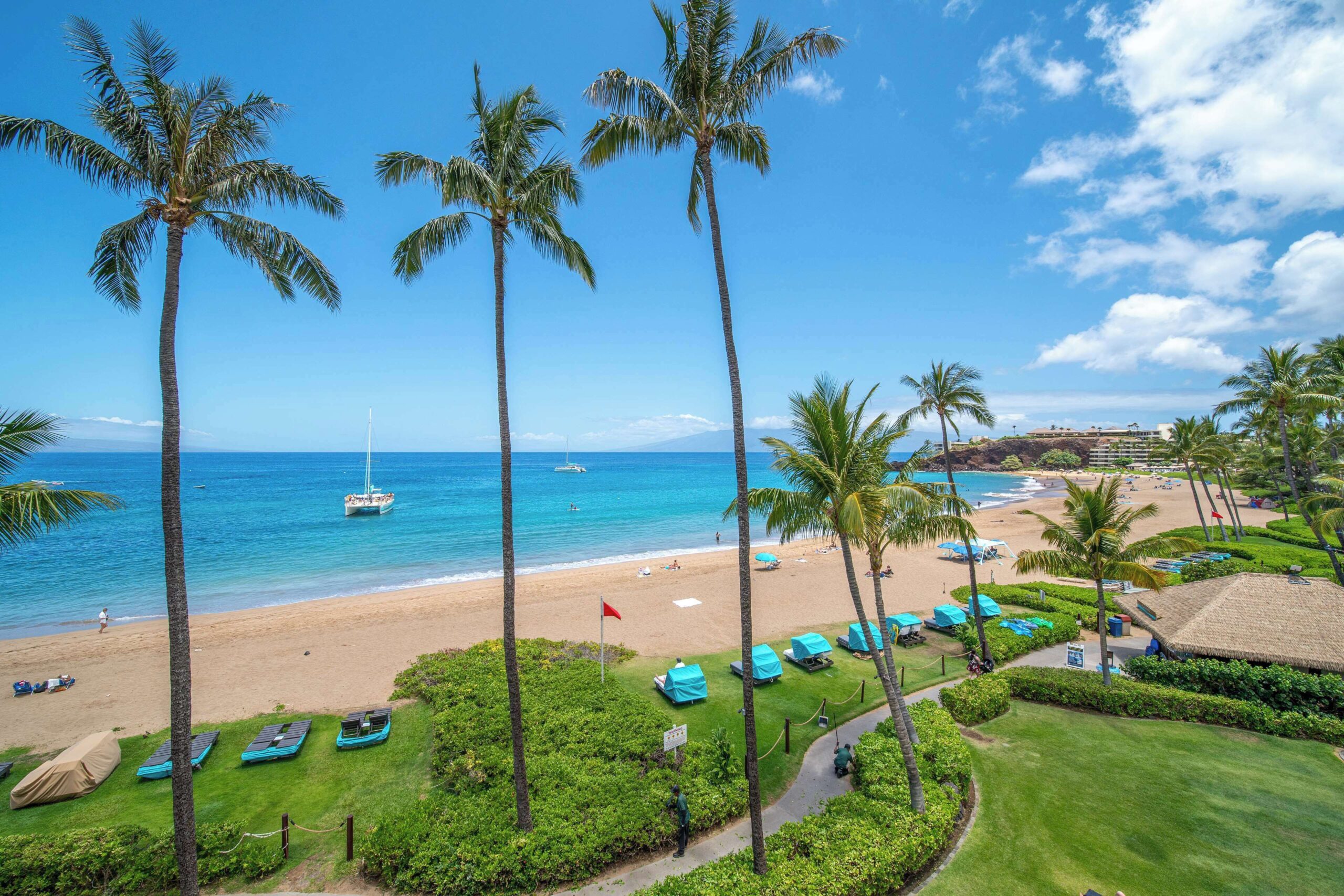
Kona on Hawaii Island’s west side offers calm waters for snorkeling and proximity to coffee farms and volcanic landscapes. The area splits between Kailua-Kona’s town center with shops and restaurants, and the quieter resort areas to the north and south.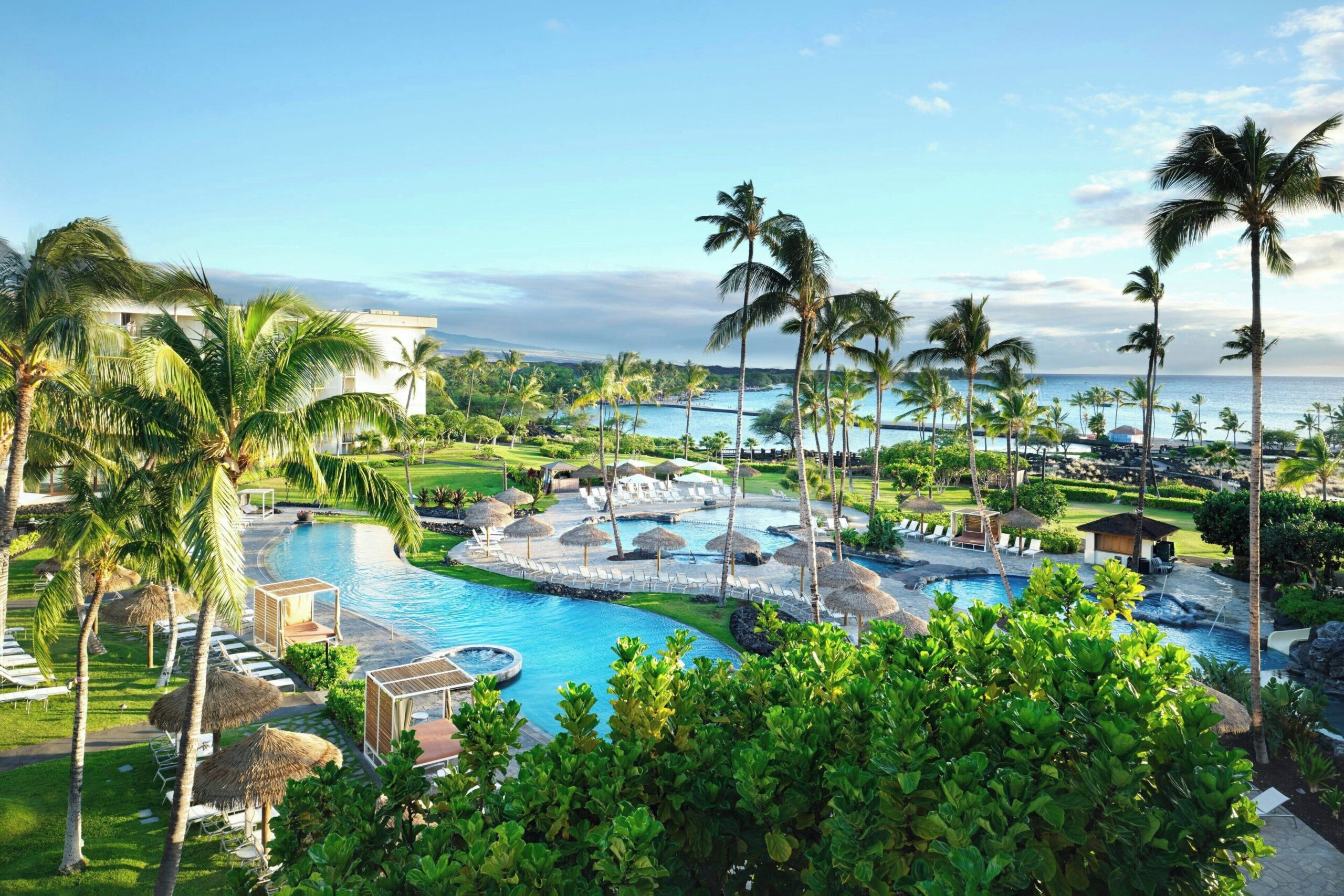
Seasonal Considerations and Booking Tips
Book 3-6 months ahead for winter trips from December through March when demand peaks. Summer months see higher prices in popular family destinations but offer better rates in business-focused areas. Spring and fall bring lower prices and fewer crowds across most Hawaiian islands.
Watch for price drops by setting alerts on booking sites. Rates can decrease if a property hasn’t filled rooms closer to your travel dates. Cancel-free booking options let you rebook if prices fall, though they sometimes cost slightly more upfront.
Hurricane season runs June through November, with September seeing the highest risk. Travel insurance becomes more important during these months. Some properties offer flexible cancellation policies during hurricane season.
Getting around Hawaii requires some planning, but you have plenty of good options. Each island offers rental cars, shuttles, ride-sharing apps like Uber and Lyft, taxis, public buses, and organized tours to help you explore. The key is picking what works best for your trip and booking early, especially for rental cars.
If you want to visit more than one island, you’ll need to fly between them. Airlines like Hawaiian Airlines, Southwest, and Mokulele Airlines run regular flights. There’s also a ferry service that connects Maui to Lanai and Molokai if you prefer a water route.
Once you’re on an island, your transportation choice depends on your plans and budget. Rental cars give you the most freedom to explore at your own pace. Public buses cost less but take more time. Taxis and ride-sharing work well for short trips, while tours let someone else handle the driving.
Key Takeaways
- Multiple transportation options exist on each Hawaiian island including rental cars, buses, ride-shares, and taxis
- Inter-island travel requires flights or limited ferry service between certain islands
- Booking rental cars early is important because demand is high throughout the year
Transportation Options on the Hawaiian Islands
Getting around Hawaii requires planning ahead for rental cars and understanding your options between islands and within each destination. Each transportation method offers different benefits depending on your budget and travel style.
Car Rentals and Driving Tips
Rental cars are the most popular way to explore individual Hawaiian islands. You should book your rental car as early as possible because demand stays high year-round and availability can be limited.
Driving in Hawaii follows standard US traffic laws. Roads are generally well-maintained on main routes, but some scenic areas have narrow, winding roads that require careful navigation. Gas prices tend to be higher than the mainland average.
Important considerations:
- International visitors need a valid driver’s license from their home country or an International Driving Permit
- Parking costs vary significantly between islands and locations
- Some rental companies restrict driving on unpaved roads
- GPS or navigation apps are helpful since cell service can be spotty in remote areas
Shuttle Services and Airport Transfers
Airport shuttles provide convenient transportation between airports and hotels or resorts. These shared rides cost less than taxis but take longer due to multiple stops.
Many hotels offer their own shuttle services for guests. Some provide free transportation to nearby attractions or beaches. You need to check with your accommodation about their specific shuttle schedules and coverage areas.
Private shuttle companies operate on all major islands and accept advance reservations. This option works well for groups or families traveling together who want direct service without multiple stops.
Ride Shares and Taxis

Uber and Lyft operate on Oahu, Maui, Hawaii Island, and Kauai. Service availability varies by location, with better coverage in tourist areas and near airports. Rural areas often have limited or no ride share availability.
Traditional taxis remain available on all islands. You can find taxi stands at airports and major hotels, or call for pickup. Taxi fares use meters and typically cost more than ride share options.
Both options work best for short trips within resort areas or towns. Long-distance travel can become expensive quickly.
Interisland Flights Overview
Hawaiian Airlines and Southwest Airlines provide frequent flights between the major islands. Flight times typically range from 30 to 50 minutes, making island hopping practical for visitors.
You should book interisland flights in advance for better prices and preferred departure times. Same-day flights are available but often cost more. Check-in and security procedures are streamlined compared to mainland flights.
Mokulele Airlines serves smaller airports and destinations with smaller aircraft. This carrier connects to some locations the major airlines don’t reach. Baggage policies and weight restrictions vary by airline, so verify requirements before your flight.
Getting Around Locally
Once you arrive on a Hawaiian island, you’ll find several transportation options to explore your destination. Each island offers public buses, organized tours, and opportunities for self-guided exploration on foot or by bike.
Public Bus Systems
Most Hawaiian islands have public bus systems that provide affordable transportation between major towns and attractions. Oahu operates TheBus, which is the most extensive system in Hawaii with routes covering nearly the entire island for just a few dollars per ride. You can reach Waikiki, downtown Honolulu, and even the North Shore using this network.
Maui has the Maui Bus system, which connects main towns like Kahului, Wailuku, and Lahaina. Big Island offers the Hele-On Bus with routes throughout Hilo, Kona, and other communities. Kauai runs the Kauai Bus with service between Lihue, Poipu, and Hanalei.
These systems work best if you’re not in a rush and want to save money. Routes may be limited on weekends and holidays. Bus schedules typically run less frequently than mainland city transit systems.
Guided Island Tours
Bus tours and organized excursions provide convenient ways to see popular sites without driving yourself. Tour companies handle all the logistics and often include expert guides who share information about Hawaiian history and culture.
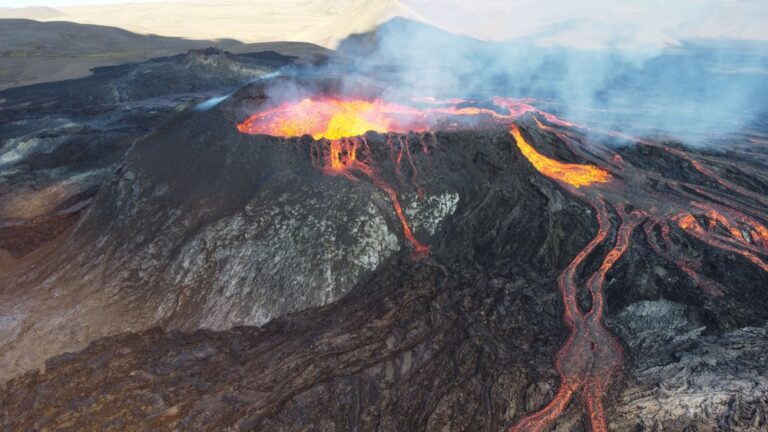
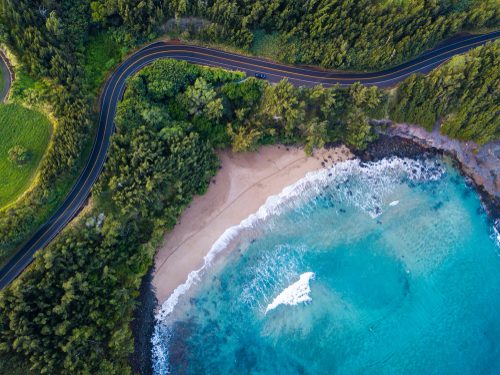

Hawaii offers year-round warm weather and endless activities across its islands. You can snorkel in clear blue waters, hike to active volcanoes, watch waterfalls, surf world-famous waves, and learn about Hawaiian culture at a traditional luau. Each island has its own unique character and attractions.
The best part about Hawaii is that you can snorkel, surf, and kayak in the morning, then hike to a waterfall or volcano in the afternoon, and end your day at a cultural show or historic site. Water activities are available every month of the year, though conditions change by season and island. Winter brings the best snorkeling to Maui’s protected bays, while summer opens up unique spots on Oahu and Kauai.
Planning your trip depends on how many days you have and which islands you want to visit. A 5-day trip works well for exploring one or two islands. A 7-day vacation gives you time to see more attractions without rushing. A 10-day itinerary lets you visit multiple islands and experience both popular spots and hidden gems.
Top Things to Do in Hawaii
Hawaii offers endless opportunities for adventure, relaxation, and cultural immersion across its stunning islands. Whether you’re diving into crystal-clear waters to swim alongside sea turtles, hiking across active volcanic landscapes, or enjoying traditional Hawaiian entertainment, each experience showcases what makes these islands special.
Snorkeling and Marine Life Exploration
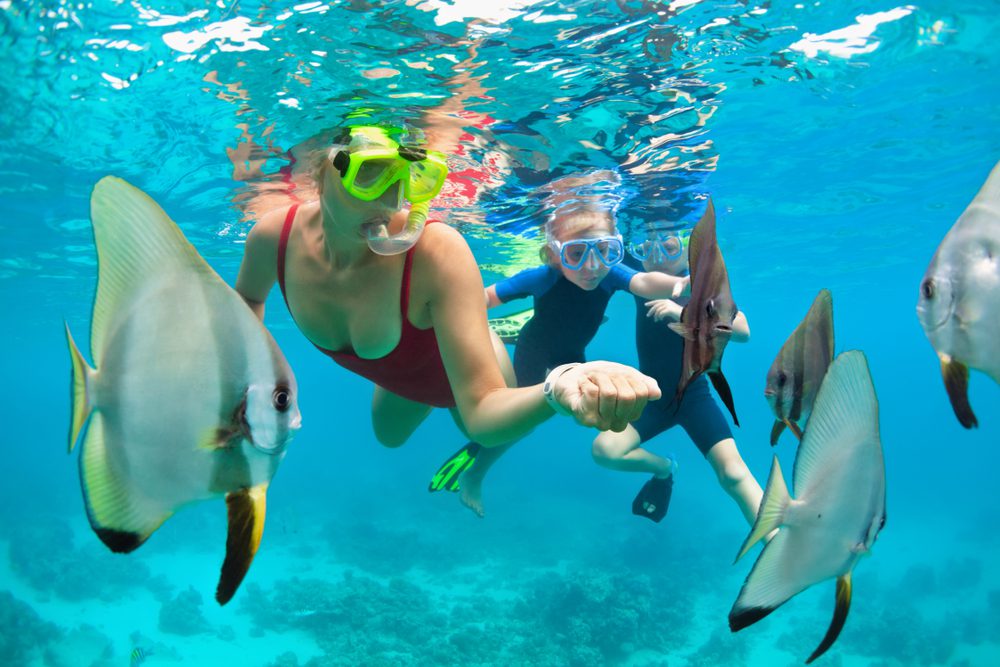 You’ll find some of the world’s best snorkeling conditions in Hawaii’s protected bays and marine sanctuaries. Hanauma Bay on Oahu provides calm, shallow waters where you can spot hundreds of tropical fish species just a few feet from shore. The bay’s reef ecosystem supports colorful parrotfish, butterfly fish, and Hawaiian green sea turtles.
Molokini Crater near Maui offers exceptionally clear visibility up to 150 feet. This crescent-shaped volcanic crater sits three miles offshore and hosts vibrant coral gardens. Early morning boat tours give you the best conditions before afternoon winds pick up.
Kealakekua Bay on the Big Island marks one of Hawaii’s most pristine marine reserves. You’ll need to kayak or take a boat to reach the best snorkeling spots. The bay’s protected waters are home to dolphins, reef sharks, and over 100 fish species.
Night snorkeling with manta rays off the Kona coast creates an unforgettable experience. These gentle giants glide through the water with wingspans up to 12 feet, feeding on plankton attracted by underwater lights.
Surfing and Paddleboarding Hotspots

Waikiki Beach serves as the perfect learning ground for first-time surfers. The gentle, rolling waves and sandy bottom create safe conditions. Surf schools line the beach and provide lessons with experienced instructors who can have you standing on your first day.
The North Shore of Oahu transforms into a surfing mecca each winter. Spots like Pipeline and Sunset Beach produce waves that reach 30 feet or more. These breaks are for experienced surfers only, but watching professionals tackle massive swells is worth the trip.
Maui’s Ho’okipa Beach Park draws windsurfers and kitesurfers from around the globe. Strong trade winds and consistent waves make it ideal for these sports. Stand-up paddleboarding works better in calmer spots like Makena Bay or along the protected coastlines of Kauai’s Hanalei Bay.
Kayaking and Ocean Adventures

Sea kayaking along the Na Pali Coast on Kauai takes you past dramatic 3,000-foot cliffs and into sea caves accessible only by water. Summer months offer calmer conditions for this challenging 17-mile paddle. Guided tours provide safety equipment and local knowledge.
The Mokulua Islands off Kailua Beach on Oahu make for an easier kayaking adventure. You can paddle the two miles to these small islands in about 45 minutes. The protected waters between the islands offer excellent snorkeling.
Winter whale watching by kayak or boat lets you observe humpback whales during their annual migration from December through April. These 40-ton mammals breach, tail slap, and sing in Hawaii’s warm waters. Tour operators maintain safe distances while giving you close-up views.
Hiking Volcanoes and Lava Fields
The Kilauea Iki Trail descends 400 feet into a crater that last erupted in 1959. You’ll walk across the hardened lava lake floor, which still vents steam in some areas.
The Crater Rim Trail circles the summit caldera and passes sulfur banks and steam vents. Recent volcanic activity has reshaped parts of the park, creating new hiking opportunities.
Haleakala National Park on Maui features the world’s largest dormant volcanic crater. The Sliding Sands Trail takes you into this otherworldly landscape of cinder cones and volcanic rock. Starting at 10,023 feet elevation means you need to prepare for altitude and temperature changes.
The crater floor sits 2,000 feet below the rim and stretches seven miles across. Morning hikes offer the clearest views before afternoon clouds roll in.
Chasing Waterfalls and Tropical Trails

Akaka Falls on the Big Island drops 442 feet into a lush gorge surrounded by wild orchids and bamboo forests. The paved 0.4-mile loop trail makes this waterfall accessible for most visitors. You’ll also pass the 100-foot Kahuna Falls along the same route.
The Road to Hana on Maui features dozens of waterfalls along its 64-mile stretch. Wailua Falls appears right from the roadside, while others like the Twin Falls require short hikes. The journey includes 620 curves and 59 bridges.
Kauai’s Waimea Canyon, called the “Grand Canyon of the Pacific,” offers multiple waterfall viewpoints. The Waipoo Falls Trail provides a moderate 3-mile round trip to a 800-foot cascade. Red volcanic soil contrasts with green valleys and white water.
Experiencing a Traditional Luau
A luau gives you direct access to Hawaiian culture through food, music, and dance. Traditional preparations start hours before guests arrive when staff places a whole pig in an underground imu oven. The pork slow-cooks for 6-8 hours until it falls off the bone.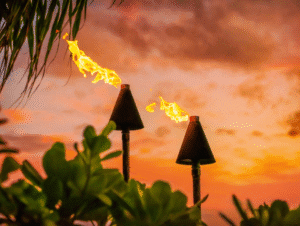
What to expect at a luau:
- Buffet featuring kalua pork, poke, poi, haupia, and local fish
- Hula performances telling stories through hand movements and dance
- Fire knife dancing with skilled performers spinning flaming batons
- Live Hawaiian music with ukulele, guitar, and traditional chants
- Lei greeting and opportunities to learn basic hula steps
The Old Lahaina Luau on Maui and the Polynesian Cultural Center on Oahu rank among the most authentic experiences. Smaller, family-run luaus on each island offer more intimate settings. Book several weeks in advance during peak travel seasons.
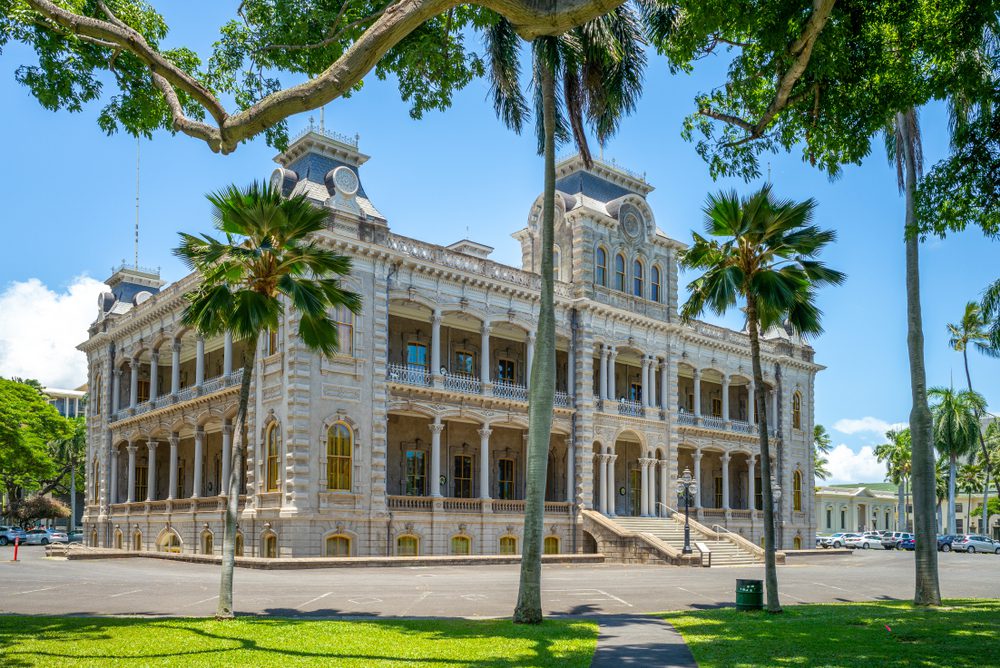
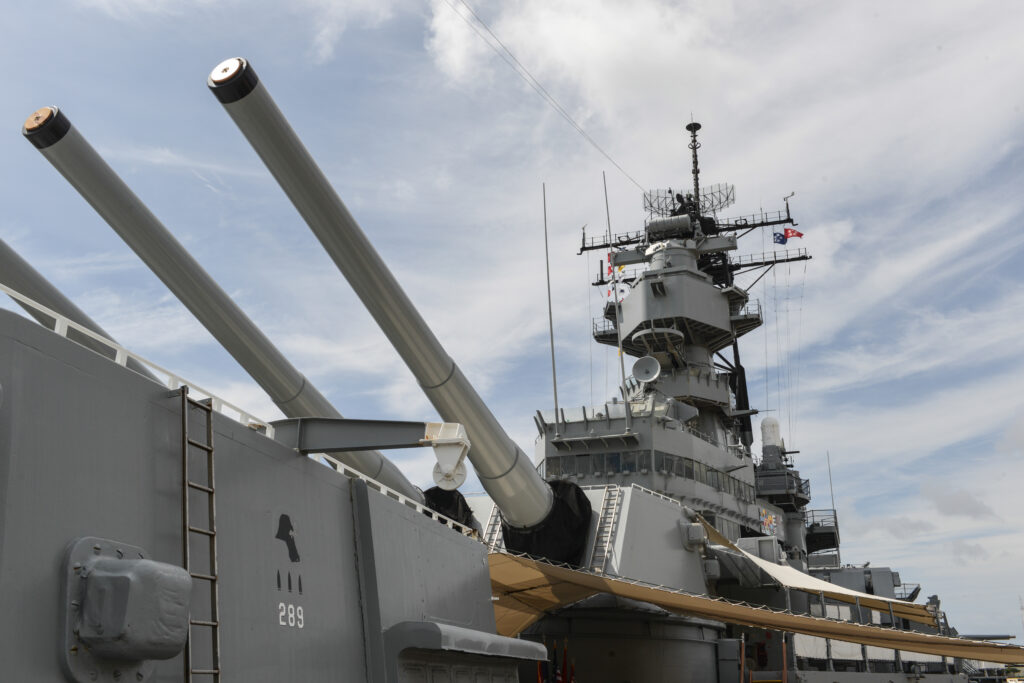
Discovering Historic and Cultural Sites
What to Expect and Save
Hawaii trips cost more than many U.S. vacations, but you can plan a great trip without overspending. Most travelers spend between $250 and $400 per day per person, which includes your hotel, meals, activities, and getting around the island. Your total cost depends on which island you visit, when you go, and how you like to travel.
You don’t need to skip Hawaii just because prices are high. Smart planning can cut your costs by hundreds of dollars. Booking flights during off-season months, staying in condos with kitchens, and eating at food trucks instead of restaurants all help you save money without missing out on the experience.
This guide breaks down what you’ll actually spend on flights, hotels, food, and activities. You’ll also learn practical ways to stretch your budget and see real examples of what a Hawaii vacation costs. Whether you want a budget trip or something more comfortable, you can plan a Hawaii vacation that fits what you can spend.
Cost Breakdown for a Hawaii Vacation
Planning your Hawaii vacation budget requires understanding four main expense categories. Most travelers spend between $250 and $400 per day, with costs varying based on your choices for flights, where you stay, how often you eat out, and which activities you book.
Typical Airfare Expenses
Flights to Hawaii represent one of your biggest upfront costs. Round-trip tickets from the U.S. mainland typically range from $300 to $800 per person, depending on your departure city and travel dates.
West Coast departures offer the lowest prices, often $300 to $500 round-trip. Flights from the East Coast or Midwest cost more, usually $500 to $800 per person. Peak season travel (summer and December holidays) pushes prices higher.
If you plan to visit multiple islands, factor in interisland flights. These typically cost $70 to $140 each way. Flying between Oahu and the Big Island, or from Maui to Kauai, requires these additional flights since driving between islands isn’t possible.
Book flights 2-3 months in advance for better rates. Tuesday and Wednesday departures often cost less than weekend flights.
Lodging and Hidden Fees
Accommodation costs vary widely across Hawaii’s islands. Budget hotels start around $150 per night, while mid-range options near Waikiki Beach or popular areas run $200 to $350 nightly. Resort properties can exceed $400 per night.
Watch for hidden fees that increase your final bill. Many hotels charge $25 to $45 per day for resort fees, covering amenities like Wi-Fi, pool access, and beach equipment. Parking adds another $20 to $40 daily at most hotels.
Vacation rentals and condos with kitchens help you save money on dining. These options work well for families or longer stays. You’ll pay about the same nightly rate as hotels, but you avoid daily resort fees and can prepare some meals yourself.
The Big Island and Oahu generally offer more budget-friendly lodging than Maui or Kauai.
Dining in Hawaii: Average Food Costs

Food expenses add up quickly in Hawaii. Expect to spend $50 to $100 per person daily if you eat all meals at restaurants.
Typical meal costs:
- Breakfast or lunch: $12 to $20 per person
- Casual dinner: $20 to $35 per person
- Fine dining: $45 to $75 per person
- Drinks: $7 to $14 each
Plate lunches remain your best food value.
These local favorites include meat or fish with rice and mac salad for $10 to $12. You’ll find them at food trucks, grocery stores, and casual restaurants across Oahu and other islands.
Groceries cost 30-50% more than mainland prices. A gallon of milk runs $7 to $9, and bread costs $5 to $6. Still, shopping at local markets and preparing some meals yourself cuts your food budget significantly.
Food trucks and farmers markets offer fresh, affordable options. Skip hotel restaurants when possible since they charge the highest prices.
Tours, Activities, and Attractions
Activity costs vary based on what you want to experience. Budget $50 to $200 per person daily for tours and entertainment.
Popular activity prices:
- Luau: $125 to $200 per adult
- Snorkeling tour: $75 to $150
- Helicopter tour: $250 to $400
- Volcanoes National Park entrance: $30 per vehicle (7-day pass)
- Polynesian Cultural Center: $70 to $250 depending on package
- Waimea Valley admission: $20 to $25
Many beaches and hiking trails cost nothing to visit. Waikiki Beach, scenic drives, and state parks offer free or low-cost options. Combo packages that bundle activities together often save you 10-20% compared to booking separately.
Book tours directly through operators rather than hotel concierges to avoid markup fees. Online discounts and advance booking deals can reduce costs further.
Budget-Friendly Tips and Real-World Savings
Visiting Hawaii doesn’t have to drain your savings account. By choosing the right travel dates, finding smart alternatives to hotels, eating where locals eat, and planning your spending carefully, you can cut costs significantly while still enjoying everything the islands offer.
Traveling During Off-Season
The cheapest time to book your Hawaii vacation is during the off-season months. April through mid-June and September through mid-December typically offer lower rates on flights and hotels compared to peak summer and winter periods.
You’ll find airfare from the West Coast dropping to $300-400 roundtrip during these windows, compared to $600-800 during holidays. Hotels in Waikiki Beach that charge $400 per night in July might cost only $200-250 in May. Oahu and other islands see fewer crowds during off-season too, making popular spots more enjoyable.
Weather remains excellent during shoulder seasons. You might see occasional rain showers, but temperatures stay warm and beaches remain accessible. Book Tuesday or Wednesday flights for additional savings of $50-100 per ticket.
Saving on Rentals and Local Transportation
Vacation rentals with kitchens save you substantial money on your trip to Hawaii. A condo rental costs $150-200 per night and sleeps four people, while two hotel rooms would run $300-400. Look for licensed vacation rentals outside tourist zones where regulations allow them.
Car rentals require advance booking to avoid price spikes. Reserve your vehicle 2-3 months ahead for rates around $40-50 per day instead of $80-100 last minute. Skip the rental car entirely on Oahu by staying in Waikiki Beach and using TheBus, which costs only $3 per ride or $7.50 for a day pass.
Consider splitting larger rentals with another family. A three-bedroom house sleeping eight people costs $250-350 per night, working out to roughly $35-45 per person. Many vacation rentals include free parking, which saves another $30-50 daily that hotels charge.
Affordable Local Eats
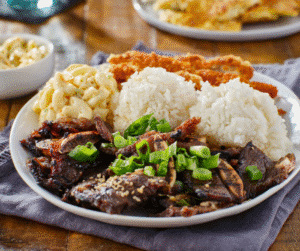 Dining in Hawaii gets expensive at resort restaurants, but local options cut your food budget dramatically. Plate lunch spots serve filling meals with rice, mac salad, and protein for $10-13 per person. Food trucks offer fresh poke bowls, tacos, and garlic shrimp for $12-15.
Shop at Costco, Safeway, or Foodland for groceries to prepare breakfasts and pack beach lunches. A family of four spends about $150-200 on groceries for the week versus $60-80 per meal eating out. Pick up fresh fruit at farmers markets for affordable snacks.
Budget dining spots to try:
- L&L Hawaiian BBQ (multiple locations)
- Rainbow Drive-In (Oahu)
- Ono Hawaiian Foods (Oahu)
- Giovanni’s Shrimp Truck (North Shore)
- Local farmers markets (every island)
Happy hour specials at restaurants run 3-6 PM with discounted appetizers and drinks. Many places offer 20-30% off regular menu prices during these hours.
Sample Itineraries and Detailed Cost Examples
7-Day Oahu Budget Breakdown (Family of 4):
| Expense | Cost |
|---|---|
| Roundtrip flights from West Coast (off-season) | $1,400 |
| Vacation rental with kitchen (7 nights) | $1,400 |
| Car rental (7 days) | $350 |
| Groceries and casual dining | $700 |
| Activities (snorkel rental, beach day, one paid tour) | $400 |
| Gas and parking | $150 |
| Total | $4,400 |
This works out to roughly $160 per person per day. Compare this to a typical resort vacation costing $8,000-10,000 for the same family.
Budget-Conscious 5-Day Trip (Couple):
- Flights using credit card points: $0
- Hotel booked with points: $0
- Car rental (5 days): $225
- Groceries for breakfasts and lunches: $150
- Dining out (dinners only): $350
- Free activities (beaches, hiking): $0
- One splurge activity (sunset sail): $200
- Total out-of-pocket: $925
Your biggest savings come from combining free flights and hotels through rewards programs with cooking some meals yourself. Even paying cash for modest accommodations and being selective about activities keeps your trip to Hawaii affordable.

What to Bring and How to Prepare
Planning a Hawaii trip means packing smarter than your typical beach vacation. The islands have specific laws about sunscreen to protect coral reefs, and the tropical climate requires different gear than you might expect. Getting your packing list right saves you time, money, and stress once you arrive.
Bringing mineral-based sunscreen, the right clothes for warm weather, and sturdy shoes for hiking will make your Hawaii vacation more comfortable and help you respect the islands’ environment. You’ll also need to know about health considerations like sun protection and staying hydrated in the tropical heat. Beyond what goes in your suitcase, understanding local customs makes a big difference in how you experience Hawaii.
This guide covers everything from what clothes work best in Hawaii’s climate to the tech and gear that actually matters. You’ll learn which items are worth the space in your luggage and which ones you can skip. We’ll also walk through safety tips and cultural practices that help you travel respectfully through the islands.
Essential Packing List for Hawaii
Hawaii’s warm climate and diverse activities call for specific items that balance comfort with practicality. Your packing list should account for beach days, island exploration, and protection from the tropical sun. For a printable pdf packing list, click here.
Clothing for Island Weather
Pack lightweight, breathable clothing for Hawaii’s year-round warm temperatures. Shorts, t-shirts, and tank tops form the foundation of your Hawaii vacation packing needs. Bring enough to last your trip, but you can get by with less since clothes dry quickly in the island climate.
Add one nice outfit for dining out or attending a luau. A sundress or aloha shirt works well for these occasions. Most places in Hawaii maintain a casual atmosphere, so you won’t need formal wear.
Special considerations by island:
- Maui and Big Island: Pack a winter jacket, sweatpants, winter hat, and gloves if you plan to visit Haleakala or Mauna Kea summits where temperatures drop to the 50s
- Kauai: Bring long pants and long-sleeved shirts for hiking to protect against mosquitoes in jungle areas
- Oahu: A light rain jacket suffices for most hiking activities
Swimsuit cover-ups protect you from sun exposure between beach activities. Skip jeans as they’re uncomfortable in humid weather and take forever to dry.
Beach and Water Activity Gear
Your swimsuit is obviously essential, but water shoes protect your feet from sharp coral and hot sand at rocky beaches. Flip flops work for most situations and locals call them “slippers.”
Snorkel gear can be rented on all the Hawaiian islands, but bringing your own ensures a proper fit. An underwater camera captures marine life during snorkeling sessions. A waterproof phone case offers a budget-friendly alternative while protecting your device.
A rash guard provides sun protection during extended water time and dries faster than regular shirts. This item is particularly useful for snorkeling, surfing, or paddle boarding.
 Water activity essentials:
- Beach bag or backpack for carrying items
- Travel towel (lighter and more compact than regular towels)
- Dry bag to keep electronics and valuables safe from water and sand
- Flotation strap for cameras or phones while in the water
Pack a reusable water bottle to stay hydrated. Hawaii’s heat and activities demand constant water intake, and refilling saves money while reducing plastic waste.
Sun Protection Must-Haves
Mineral-based, reef-safe sunscreen is required for Hawaii packing lists. Hawaii law bans sunscreens containing oxybenzone and octinoxate, which damage coral reefs. Choose products with zinc oxide or titanium dioxide as active ingredients.
Polarized sunglasses reduce glare from water and protect your eyes from UV rays. Bring a case to prevent scratches when they’re in your bag.
A wide-brimmed sun hat shields your face and neck from direct sunlight. This becomes critical during long beach days or hikes without shade.
Sun-protective clothing with UPF rating offers another defense layer. These items work alongside sunscreen rather than replacing it. Reapply sunscreen every two hours, more often if swimming or sweating.
Electronics and Travel Technology
Your phone serves multiple purposes in Hawaii: camera, GPS, activity booking, and communication. A power bank keeps it charged during long days away from your accommodation. Aim for at least 10,000 mAh capacity.
Bring a regular camera if phone photography doesn’t meet your needs. Hawaii’s scenery deserves quality photos, especially at sunrise and sunset.
Pack charging cables and wall adapters for all your devices. A multi-port USB charger reduces the number of outlets you need. Hawaii uses the same electrical outlets as mainland United States.
Consider a portable Bluetooth speaker for beach time, but keep volume respectful of others. Download offline maps of your island before arrival in case you lose cell service in remote areas.
Smart Packing and Organization Tips
Packing cubes compress clothes and keep your suitcase organized. They make finding items easier and create more space for souvenirs on the return trip.
A small backpack or beach bag carries daily essentials as you explore. Choose one that’s easy to clean since sand gets everywhere.
Bring reusable shopping bags since Hawaii charges for plastic bags or doesn’t offer them at all. These fold flat in your luggage and prove useful for beach trips and groceries.
Pack these often-forgotten items:
- Ziplock bags for wet swimsuits and keeping items dry
- Small first-aid kit with bandages and pain relievers
- Chopsticks or metal utensils if you plan to eat takeout (reduces plastic waste)
- Extra memory cards for your camera
Leave space in your luggage for items you might buy in Hawaii. You can purchase forgotten toiletries, sunscreen, or beach gear at local stores including Target, Costco, and ABC Stores found throughout the islands.
Health, Safety, and Local Etiquette Tips
Hawaii offers a safe and welcoming environment, but understanding local health protocols, cultural values, and environmental responsibilities will enhance your experience. Protecting yourself from sun exposure and mosquitoes, respecting sacred sites, and minimizing your environmental impact are essential for a respectful visit.
Staying Healthy and Safe in Hawaii
 Apply reef-safe sunscreen containing non-nano zinc oxide or titanium dioxide instead of oxybenzone or octinoxate, which damage coral reefs. Reapply every two hours and after swimming.
Mosquitoes are active year-round in Hawaii, with peak season during summer. Use EPA-registered insect repellent containing 20-30% DEET. Wear light-colored long-sleeved shirts and pants during sunrise and sunset when mosquitoes are most active.
Pack aloe vera gel for sunburn relief. The tropical sun is stronger than you expect, even on cloudy days.
Keep valuables in your hotel safe. Watch your belongings at the beach. Place items in your trunk before arriving at destinations, not after parking.
Stay on designated trails when hiking. Edges can collapse without warning. Don’t risk your life for photos near cliffs or waterfalls.
Island Etiquette and Cultural Awareness
Remove your shoes before entering someone’s home. This practice is standard across the Hawaiian Islands, including Oahu, Maui, Kauai, and the Big Island.
Never take lava rocks, sand, or coral from beaches. These items are considered sacred and protected by law. Respect signs marking kapu (sacred or forbidden) areas.
Don’t honk your horn unless it’s an emergency. Hawaii operates on “island time” and patience is valued.
Learn basic Hawaiian words like mahalo (thank you), aloha (hello/goodbye/love), and ohana (family). Locals appreciate when visitors show interest in the culture.
Don’t stack rocks or create cairns. This disturbs natural habitats and is considered disrespectful to Hawaiian culture.
Practical Advice for Island Life
Bring your own reusable water bottle. Stream water may contain bacteria even when it looks clear. Many beaches and parks have filling stations.
Book accommodations and rental cars months in advance. Hawaii has limited inventory and prices increase closer to travel dates.
Don’t leave sliding glass doors or screens open in your room. This prevents theft and keeps insects out.
If you hear emergency sirens at 11:45 am on the first working day of each month, it’s just a test. During real emergencies, listen to local radio stations or check with hotel staff.
Sustainable and Responsible Travel
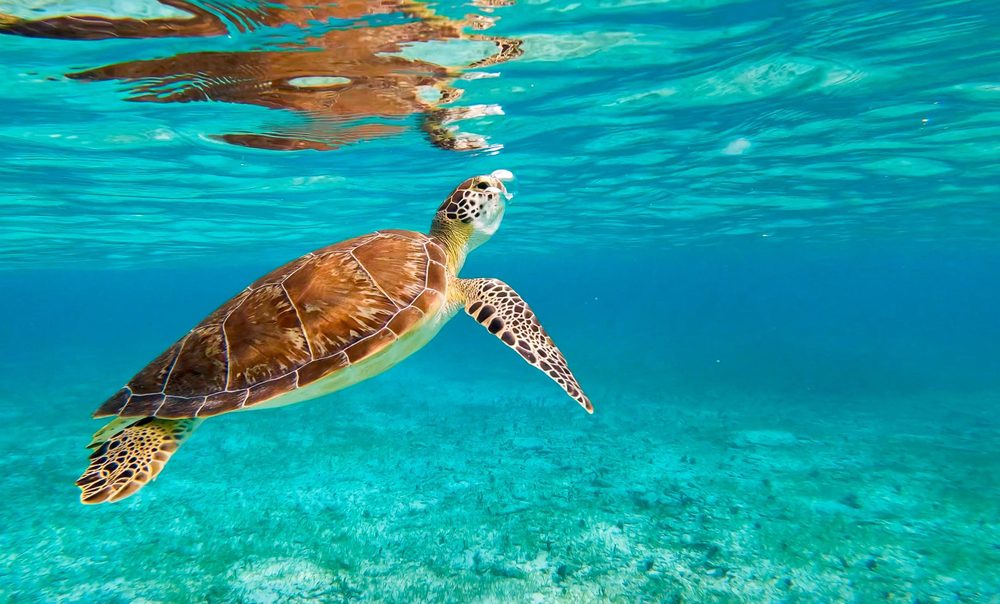 Keep a respectful distance from all marine animals, including sea turtles and monk seals. Federal law requires you stay at least 10 feet away from sea turtles and 50 feet from monk seals.
Don’t walk on coral reefs. Don’t drag kayaks or surfboards over reefs. Avoid touching coral as it damages the delicate ecosystem.
Never feed fish or other wildlife. They have natural diets and human food harms them.
Clean and brush hiking boots before entering nature preserves. This removes seeds and eggs of invasive species that threaten native plants.
Put all trash in proper receptacles. Litter harms wildlife and pollutes beaches and trails.
Don’t bring fruits, plants, or soil between islands or into Hawaii. These can carry pests that damage local agriculture and ecosystems.