Day 1 – Honolulu & Waikīkī Vibes
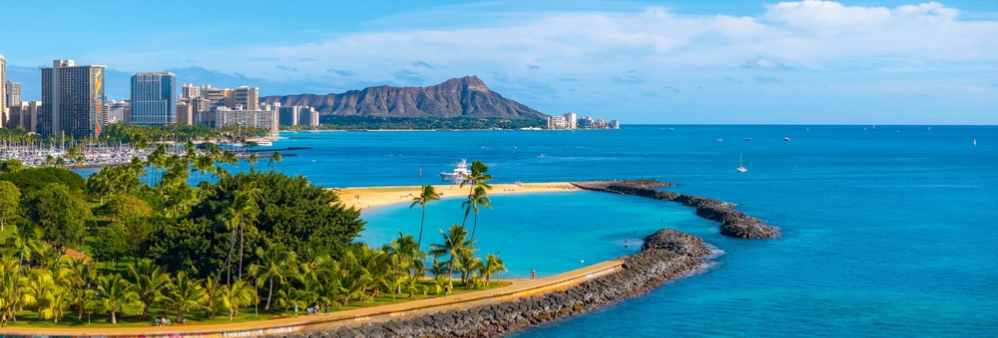
Your first day is about easing in. Honolulu greets you with a mix of city buzz and beach calm, and Waikīkī is the perfect place to shake off travel fatigue.
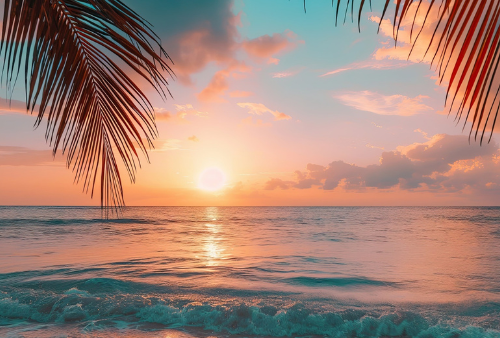
Start your morning with a walk along Waikīkī Beach. Even early, the shoreline is alive—surfers paddling out, beachgoers staking their spots, the occasional ukulele drifting through the air. The water here is gentle, making it ideal for a relaxed swim or even a first surfing lesson if you’re feeling adventurous.
By mid-morning, make your way to Diamond Head. The hike is only about 1.6 miles round trip, but don’t let the distance fool you—it’s a bit of a climb. Still, within 1.5 to 2 hours, you’ll be rewarded with one of the most iconic views on the island: Waikīkī stretching out below you, the Pacific shimmering endlessly beyond.
In the afternoon, slow things down. Grab lunch at a local spot—poke bowls are a must—and spend some time simply enjoying the beach. Let the rhythm of the waves set your pace.
End your night with a casual dinner, and maybe some live music. That first day set the tone for everything else.
Other nearby ideas to explore:
- Kapiʻolani Park for a relaxed walk or picnic
- Honolulu Zoo or Waikīkī Aquarium
- Ala Moana Center for shopping and food
- Magic Island for a calmer beach and sunset views
Day 3 – North Shore Adventure
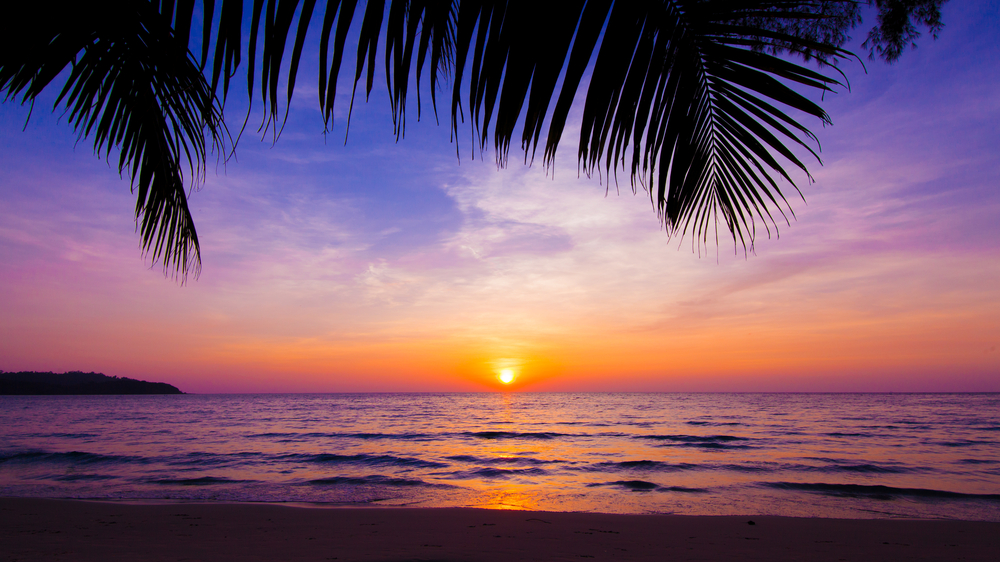
If Waikīkī is polished and energetic, the North Shore is its laid-back, sun-bleached counterpart. The drive alone—about an hour from Honolulu—is part of the experience.
As you head north, the scenery shifts. High-rises give way to open stretches of coastline, roadside fruit stands, and surf towns that feel frozen in time.
Your first stop might be Waimea Bay. In summer, it’s calm and inviting; in winter, it transforms into a stage for massive waves that can reach 20 to 30 feet or more. Watching surfers here—whether you’re witnessing beginners or professionals—is mesmerizing.
Continue on to the Banzai Pipeline, one of the most famous surf breaks in the world. Even if you don’t surf, standing on the beach and watching the waves break with precision and power is something you won’t forget.
Of course, no North Shore day is complete without food. The shrimp trucks are legendary for a reason. Plates piled high with garlicky shrimp and rice, eaten at picnic tables under the sun—it’s simple, messy, and perfect.
Take your time here. Browse small shops, grab a shave ice, or just sit and watch the world go by. The North Shore doesn’t reward rushing.
Other nearby ideas to explore:
- Shark’s Cove for snorkeling (summer months are best)
- Sunset Beach for long, scenic walks
- Haleʻiwa Town for boutiques and art galleries
- Dole Plantation on the way back for a quick stop
Day 4 – Windward Coast & Nature
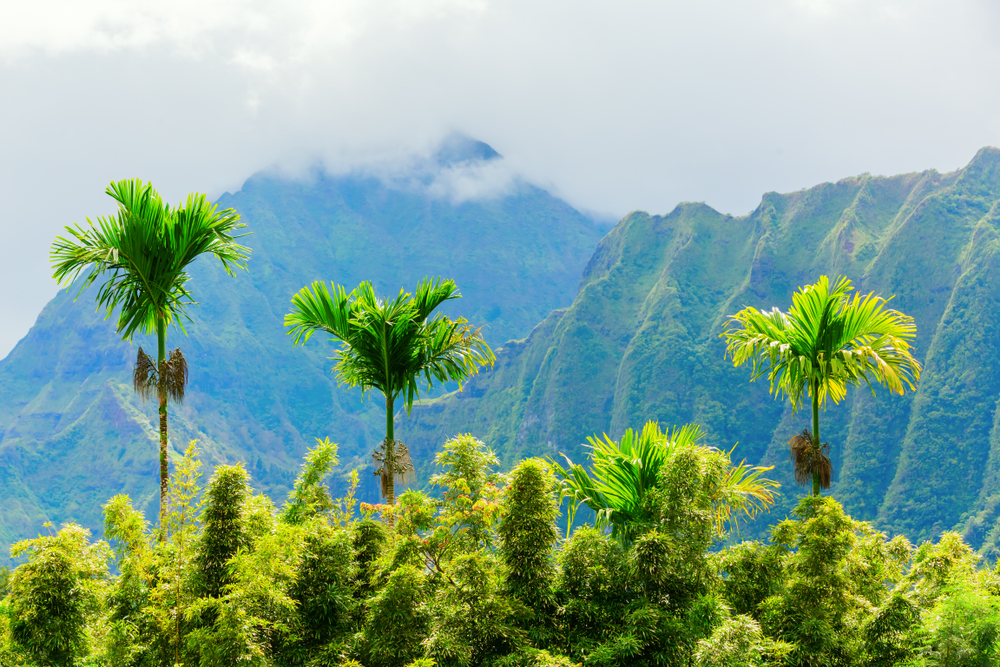
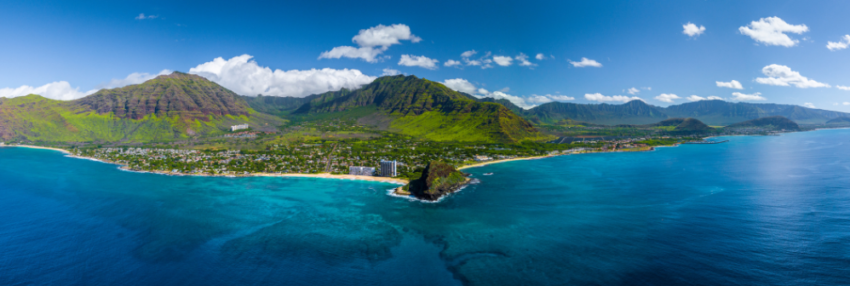
On your fourth day, head east to the Windward Coast, where Oʻahu feels lush, dramatic, and almost cinematic.
Start with Lanikai Beach, often ranked among the best beaches in the United States. The sand is powdery soft, the water a surreal shade of turquoise, and the offshore Mokulua Islands add to the dreamlike view. It’s the kind of place where time slips away without you noticing.
Nearby Kailua offers a slightly busier but equally beautiful setting, with cafés and shops that make it easy to linger.
From there, shift inland to Hoʻomaluhia Botanical Garden. The towering Koʻolau Mountains rise sharply in the background, often wrapped in mist, creating a landscape that feels almost otherworldly. It’s quiet here, a contrast to the beaches—a place to slow down and breathe.
If you’re up for it, consider a short hike or scenic drive along the coast. This side of the island feels less crowded, more intimate.
Other nearby ideas to explore:
- Lanikai Pillbox hike for sunrise views
- Kailua Beach Park for kayaking or paddleboarding
- Byodo-In Temple in the Valley of the Temples
- Makapuʻu Point Lighthouse Trail (great for whale watching in season)
Day 5 – Culture & Local Flavor
Your final day is about connection—understanding the culture, tasting the flavors, and appreciating the deeper layers of the island.
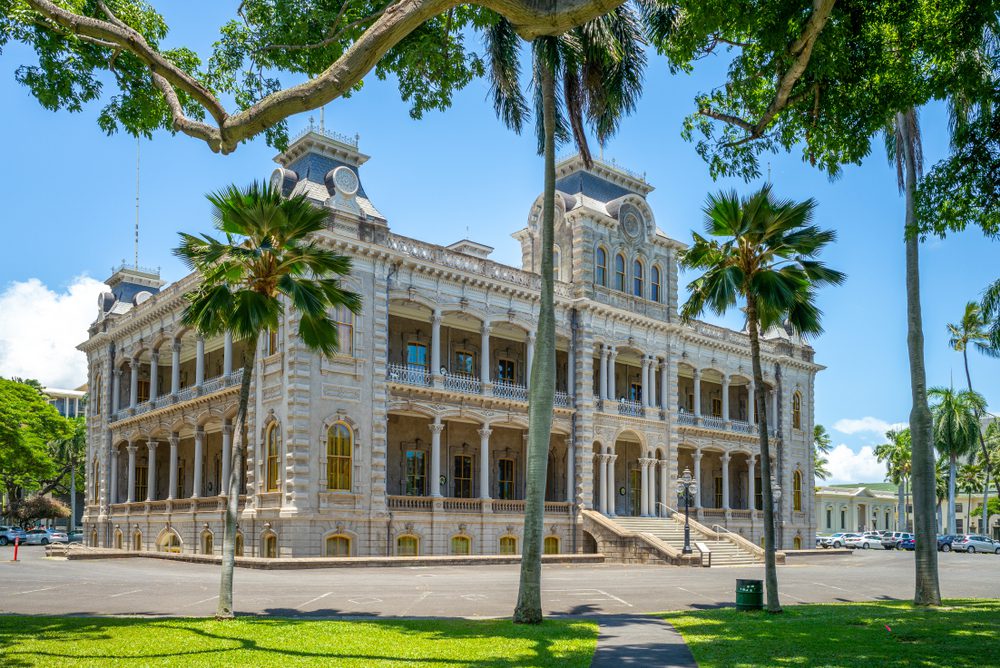
You might begin at ʻIolani Palace, the only royal palace in the United States. Walking through its halls offers a glimpse into Hawaiʻi’s monarchy and a history that’s often overlooked. It adds context to everything you’ve experienced so far.
Alternatively, the Polynesian Cultural Center provides a broader look at Pacific Island cultures through performances, exhibits, and interactive experiences. It’s more structured, but still engaging.
Afterward, spend time exploring local markets or neighborhoods. This is where you’ll find the small details—handmade goods, conversations, flavors—that don’t show up on major itineraries.
And then, of course, there’s the food. Whether it’s plate lunch, fresh poke, or a perfectly crafted shave ice, this is your chance to revisit favorites or try something new.
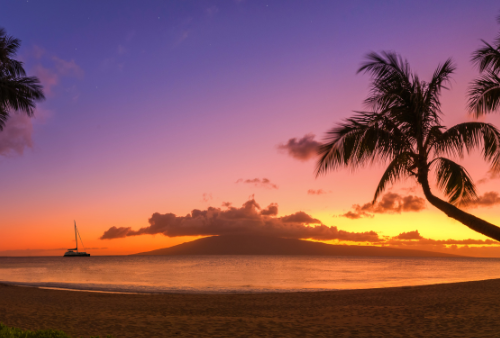
As your trip winds down, find one last spot to watch the sunset. Maybe it’s a beach you’ve already visited, now familiar. Maybe it’s somewhere new. Either way, it’s a moment to reflect on everything the island has offered in just five days.
Other nearby ideas to explore:
- Chinatown Honolulu for food and art scene
- Kakaʻako murals and SALT at Our Kakaʻako
- Ala Moana Beach Park for a relaxed final swim
- Ward Village shops and cafés
Timing Your Visit and Local Insights
Oahu’s warm, but the vibe shifts with the seasons.
Winter (Nov–Mar) means massive waves on the North Shore. It’s a blast to watch the surfers, but honestly, swimming’s not the best idea then.
Summer (May–Sept) is when the north coast chills out, so the water’s calmer and snorkeling gets way better.
Here’s the thing about activities—don’t wait until the last minute:
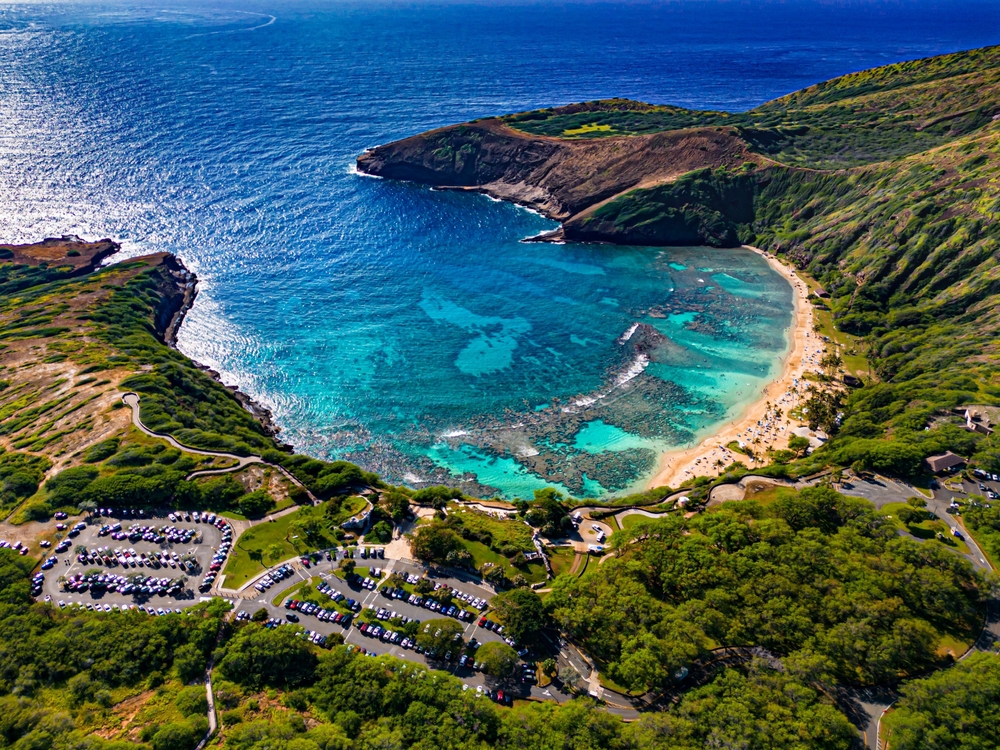
- Hanauma Bay? Reservations drop two days out, so set a reminder.
- Pearl Harbor tickets can be snagged up to 60 days before your visit.
- Luaus and boat tours? They disappear fast—book early if you want in.
If you’re eyeing the beach, go early. Seriously, parking at spots like Lanikai, Waimea Bay, or Ko Olina is gone before you know it.
Thinking about hopping over to Maui too? Give yourself at least half a day between flights. Rushing between islands is just not worth the stress.
A couple of local tips:
- Take your shoes off before going into someone’s place—it’s just how it’s done.
- Drive with patience (island time is real).
- And, yeah, treat the place with respect. Oahu’s special, so let’s keep it that way.